How to Start Learning About Wine (Beginner Guide)
A refined path to discovering wine with confidence, clarity, and quiet enjoyment
There is a moment, often subtle, when curiosity about wine begins.
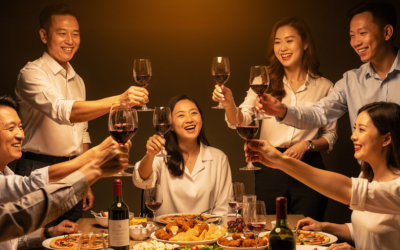
Perhaps it starts with a glass shared over dinner.
Or a label that catches your attention.
Or a question that lingers—“How do I understand this better?”
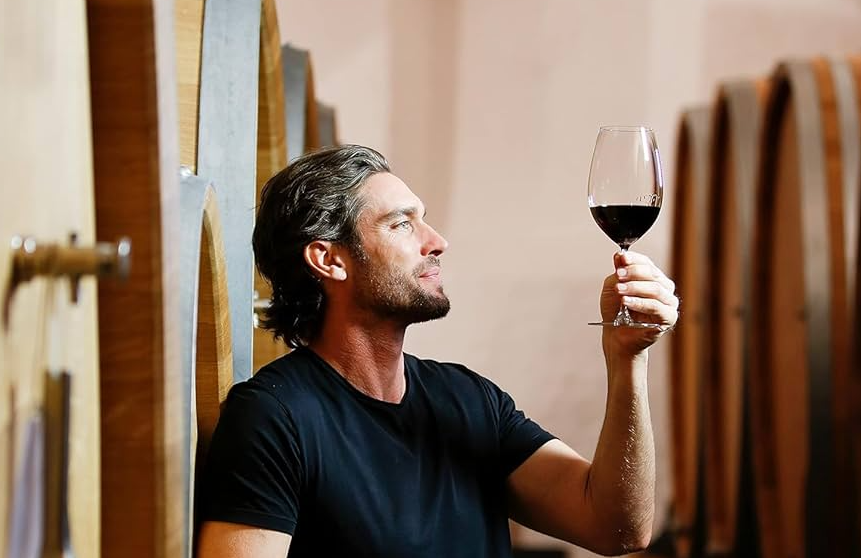
For many, the world of wine can feel vast, even intimidating. Regions, grape varieties, terminology—it can seem like there is too much to learn, and no clear place to begin.
But the truth is simpler than it appears.
Learning about wine is not about mastering everything.
It is about starting—gently, intentionally, and with curiosity.
Here is a refined approach to help you begin your journey with confidence.
Start with What You Enjoy
The most important step is also the simplest:
Start with wines you already like.
There is no need to chase complexity or prestige in the beginning. Your personal preference is the best guide you have.
If you enjoy something smooth and fruity, explore to discover more wines in that style.
If you prefer something light and elegant, follow that direction.
Wine appreciation is not about what is considered “the best.”
It is about discovering what resonates with you.
Learn a Few Key Grapes
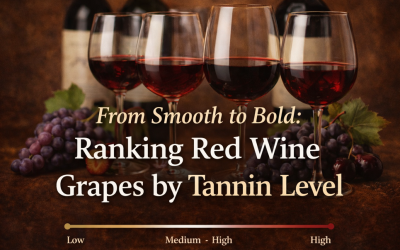
Rather than trying to understand everything at once, focus on a few core grape varieties.

For red wines, begin with:
- Cabernet Sauvignon
- Merlot
- Pinot Noir
For white wines:
- Chardonnay
- Sauvignon Blanc
- Riesling
Each grape has its own personality.
As you taste them, you begin to recognise patterns—structure, flavour, body. This builds a foundation that makes everything else easier to understand.
Understand the Basics of Taste
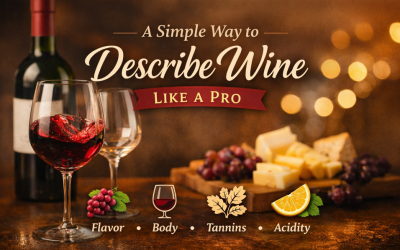
You do not need technical expertise to appreciate wine—but understanding a few key elements can transform your experience.
Pay attention to:
- Sweetness – Dry or slightly sweet
- Acidity – Fresh and crisp, or softer and round
- Tannin – The drying sensation in red wines
- Body – Light, medium, or full
These elements form the structure of a wine.
Once you begin noticing them, each glass becomes more meaningful. Over time, you might just be tasting wines like a pro.
Taste with Intention
Drinking wine and tasting wine are not the same.
When you taste with intention, you slow down.
Observe the colour.
Notice the aroma.
Take a sip and let it linger.
Ask yourself simple questions:
- What do I notice?
- What do I enjoy?
- How does it feel?
There is no need for perfect answers.
Awareness is far more valuable than accuracy.
Compare, Don’t Memorise
One of the most effective ways to learn wine is through comparison.
Taste two wines side by side:
- A light wine vs a full-bodied wine
- An Old World wine vs a New World wine
- Two different grape varieties
This contrast helps you understand differences more clearly than memorisation ever could.
Wine is best learned through experience—not theory.
Read, But Keep It Simple
There is an abundance of information about wine.
But in the beginning, simplicity is key.
Focus on:
- Short guides
- Introductory articles
- Practical insights you can apply immediately
Avoid overwhelming yourself with too much detail.
Wine is meant to be enjoyed—not studied like an exam.
Create Small Rituals
Learning wine becomes more meaningful when it becomes part of your lifestyle.
You might:
- Enjoy a glass at the end of the week
- Try a new bottle each time
- Take a few quiet moments to reflect on what you are tasting
These small rituals create consistency—and with consistency comes growth.
Attend a Wine Tasting
One of the most enjoyable ways to learn is through guided wine tastings.
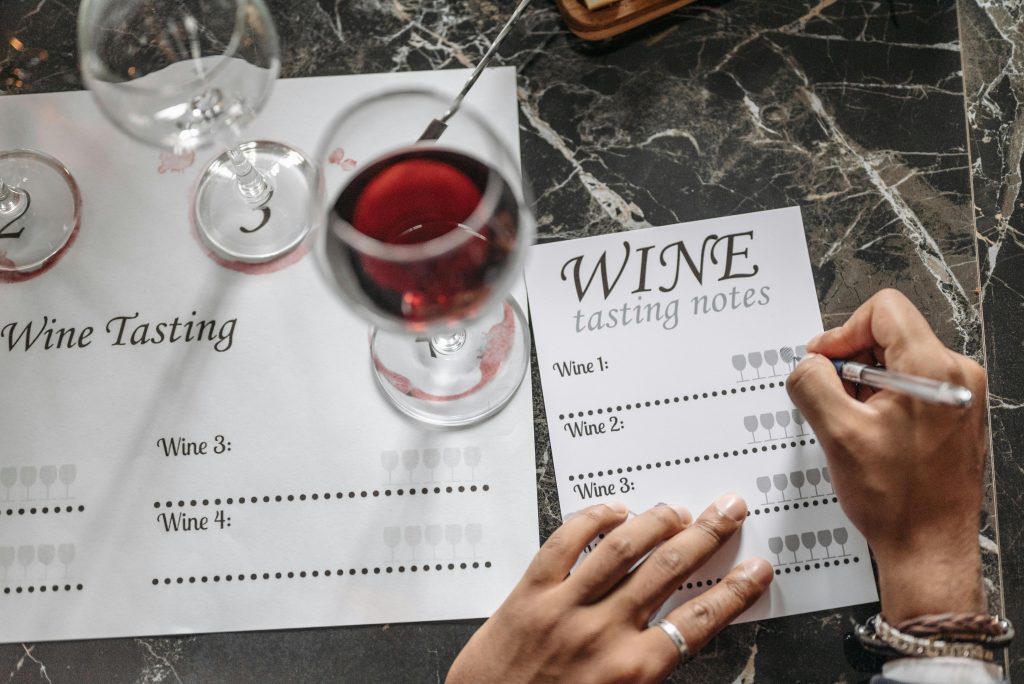
In a well-curated setting, you are introduced to different wines with context and guidance. You learn not just from the host, but from the shared experience with others.
What once felt complex becomes approachable.
And what once felt intimidating becomes enjoyable.
Be Patient with Yourself
Wine is not something you learn overnight.
It unfolds over time—glass by glass, experience by experience. This is the journey of wines experiences.
There will be moments of uncertainty. Wines you do not understand. Flavours you cannot quite identify.
And that is perfectly fine.
Because wine is not about perfection.
It is about discovery.
A Final Reflection
To begin learning about wine is to begin a journey.
A journey not just of taste, but of awareness.
With each bottle, you become more familiar.
With each experience, more confident.
With each moment, more present.
And over time, what once felt like a complex world becomes something natural, intuitive, and deeply enjoyable.
Discover Premium Wines the Smarter Way
If you enjoyed this article and want to explore exceptional premium wines without spending hundreds on a single bottle, download our free guide below.