How to Taste Wine Like a Pro
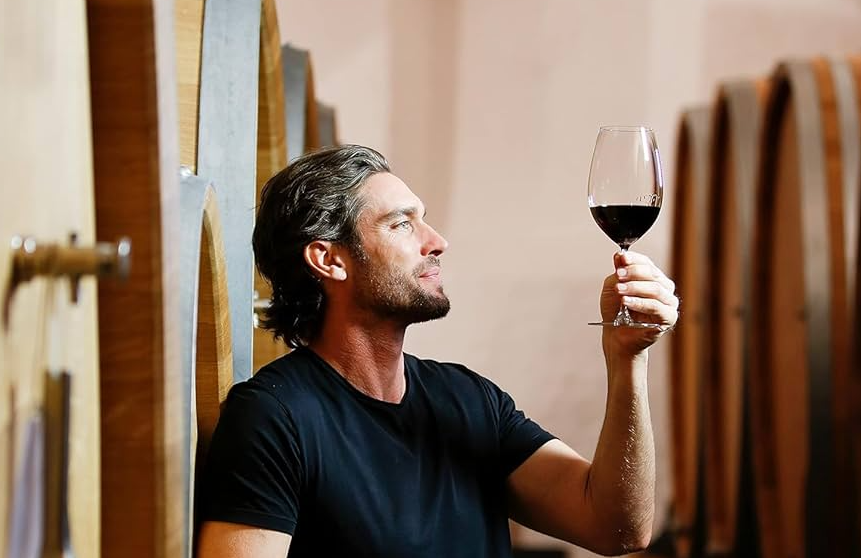
A refined guide to experiencing wine with depth, clarity, and confidence
There is a quiet difference between drinking wine and truly tasting it.
Most people take a sip, enjoy the flavour, and move on. And there is nothing wrong with that.
But for those who wish to go deeper—who want to understand, to appreciate, and to elevate the experience—wine tasting becomes something far more intentional.
To taste wine like a professional is not about memorising complex terminology or impressing others. It is about learning how to slow down, engage your senses, and notice what was always there—but often overlooked.
Once you understand the process, every glass becomes richer, more expressive, and infinitely more rewarding.
Begin with Presence
It becomes a ritual.
Before the wine even reaches your lips, pause.
Create a moment.
Wine tasting is as much about mindset as it is about technique. A distracted palate rarely captures nuance. A rushed sip rarely reveals complexity.
Take a breath. Set aside the noise of the day.
Approach the wine with curiosity—not judgment.
Because the more present you are, the more the wine will reveal.
Step One: Look — The Visual Story
The first impression of a wine begins with sight.
Hold your glass at a slight angle against a neutral background. Observe the colour, clarity, and intensity.
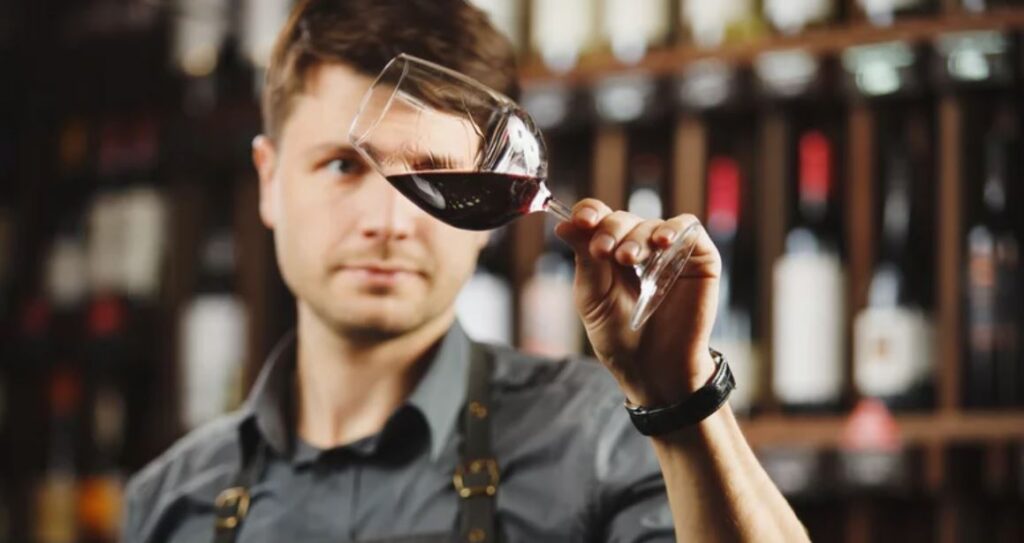
Ask yourself:
- Is the colour pale or deep?
- Does it lean toward youthful brightness or aged softness?
- Is it clear and brilliant, or slightly hazy?
A young white wine may appear pale lemon or greenish, while an aged white deepens into golden hues.
Red wines evolve from vibrant ruby in their youth to garnet and brick tones as they mature.
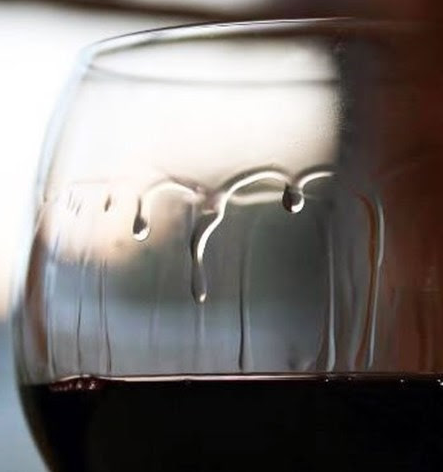
Even the way the wine moves in the glass—its viscosity, often seen as “legs” or “tears”—can hint at alcohol level or richness.
At this stage, you are not analysing. You are observing.
Let the wine introduce itself visually.
Step Two: Swirl — Awakening the Aromas
Next, gently swirl the wine in your glass.
This simple motion allows oxygen to interact with the wine, releasing its aromatic compounds.
If you are new to swirling, keep your glass on the table and move it in small circles. It is a controlled, elegant movement—not a dramatic gesture.
As the wine opens up, it begins to speak.
Step Three: Smell — Where Wine Reveals Its Soul
Bring the glass to your nose and inhale slowly.
This is where the true character of the wine begins to emerge.
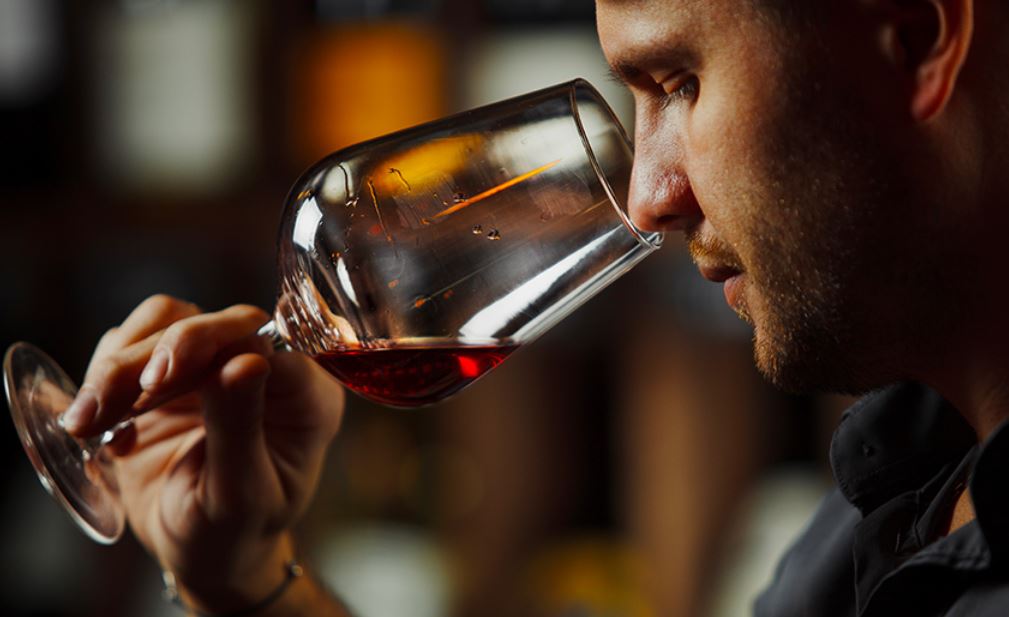
Try to identify:
- Fruit notes (citrus, apple, berries, plum)
- Floral hints (rose, jasmine, violet)
- Earthy tones (forest floor, mushroom, minerality)
- Oak influences (vanilla, spice, toast)
There is no need to be perfect.
Even seasoned tasters continue to learn and refine their senses over time.
The key is to associate what you smell with familiar experiences. The more you practice, the more precise your recognition becomes.
Wine is not testing you. It is inviting you.
Step Four: Taste — Structure and Balance
Now, take a small sip.
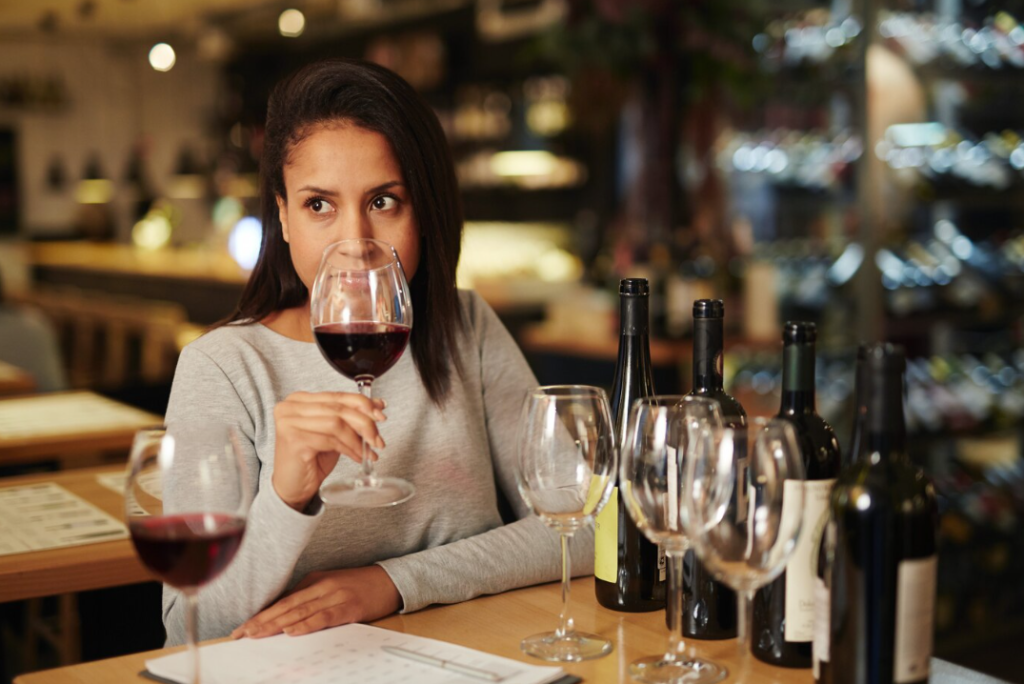
Let the wine move across your palate before swallowing.
Professional tasters often allow a slight intake of air while tasting—this helps release additional aromas and enhances perception.
As you taste, consider the structure of the wine:
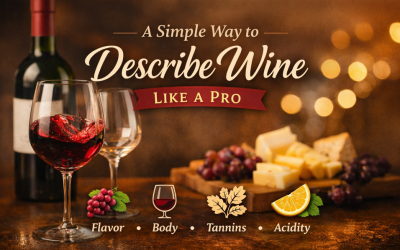
- Sweetness – Is it dry or slightly sweet?
- Acidity – Does it feel fresh and vibrant?
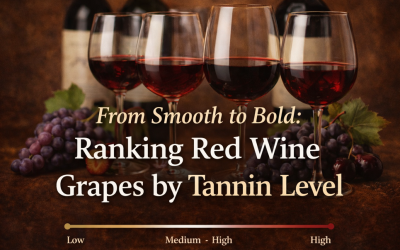
- Tannin (for red wines) – Is there a drying sensation on your gums?
- Body – Is it light, medium, or full-bodied?
- Alcohol – Is there a warming sensation?
These elements form the backbone of the wine.
What you are seeking is balance—how these components come together in harmony.
A great wine does not allow one element to dominate. Instead, it creates a seamless, integrated experience.
Step Five: The Finish — The Last Impression
After swallowing, pay attention to what lingers.
This is known as the finish.
Does the flavour disappear quickly, or does it persist?
Premium wines often have a long, evolving finish—where flavours continue to unfold seconds after the wine has left your palate.
It is in this lingering moment that the quality of a wine often reveals itself most clearly.
Developing Your Palate Over Time
Tasting wine like a professional is not about getting it “right.”
It is about becoming more aware.

The more wines you taste, the more patterns you begin to recognise:
- Certain grapes
- Certain regions
- Certain styles
Over time, your palate becomes more refined—not because you are trying harder, but because you are noticing more.
A helpful approach is comparison.
Taste two wines side by side:
- Old World vs New World
- Light-bodied vs full-bodied
- Unoaked vs oaked
Contrast sharpens perception.
And with each comparison, your understanding deepens.
Common Misconceptions
There is a misconception that wine tasting must be complicated or intimidating.
That you must describe wine with elaborate terms to be considered knowledgeable.
This is not true.
Some of the most experienced wine lovers describe wines in simple, honest ways:
- “Fresh and lively”
- “Soft and smooth”
- “Elegant and balanced”
Clarity is far more valuable than complexity.
Wine is meant to be enjoyed, not performed.
The Role of Environment
Where and how you taste also matters.
Good lighting helps you observe colour.
A clean, neutral environment allows aromas to stand out.
Proper glassware enhances both aroma and taste.
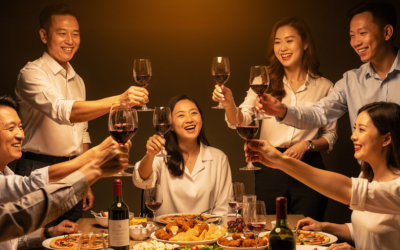
Even the company you keep can influence your experience.
Wine, at its best, is meant to be shared.
A Final Reflection
To taste wine like a professional is not about becoming an expert.
It is about becoming attentive.
It is about slowing down, engaging your senses, and allowing the wine to tell its story—one layer at a time.
Because within every glass lies more than flavour.
There is craftsmanship.
There is time.
There is intention.
And when you learn to taste with awareness, you begin to experience wine not just as a drink—
But as something to be truly savoured.
Discover Premium Wines the Smarter Way
If you enjoyed this article and want to explore exceptional premium wines without spending hundreds on a single bottle, download our free guide below.