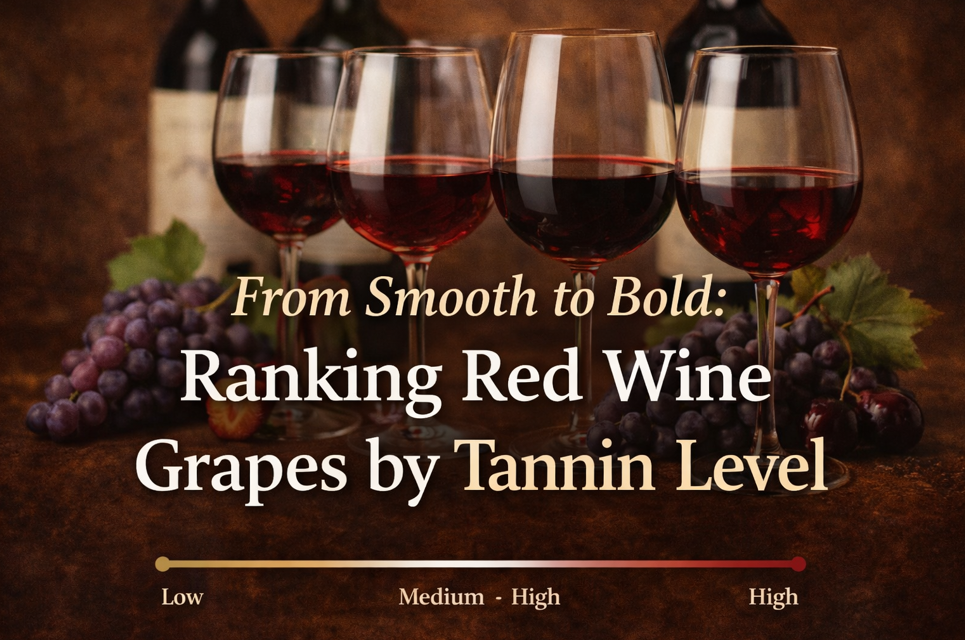
From Smooth to Bold: Ranking Red Wine Grapes by Tannin Level
When people describe a wine as “dry,” they are often referring to something they don’t fully understand — tannins.
That slightly rough, drying sensation you feel on your gums after sipping red wine? That’s tannin.
For some, it’s enjoyable and structured. For others, it can feel too harsh or overwhelming.
Understanding tannin is one of the simplest ways to better understand your own wine preferences.
And the good news is — you don’t need to be an expert to get it.
🧠 What Are Tannins?
Tannins come from grape skins, seeds, and even oak barrels used during aging.
They create that drying, slightly grippy sensation in your mouth — similar to what you feel when drinking strong black tea.
In general:
- Low tannin wines → smooth, soft, easy to drink
- High tannin wines → bold, structured, more intense
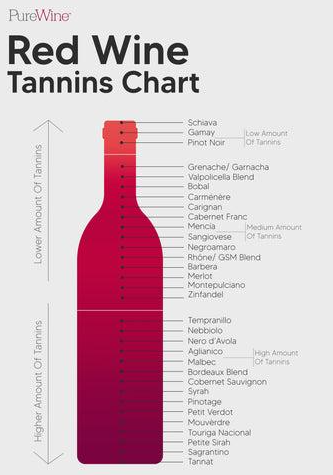
🍇 Tannin Levels by Grape (Low → High)
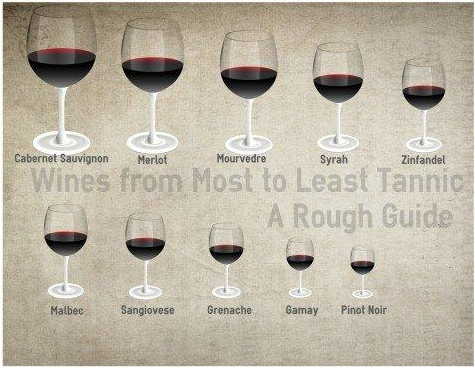
Here’s a simple guide to 10 widely known red wine grapes, ranked from lowest to highest tannin.
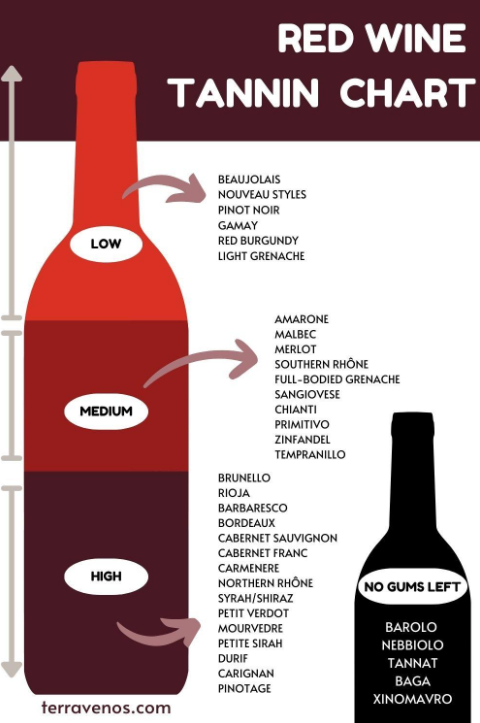
🟢 Low Tannin (Smooth & Easy)
1. Pinot Noir
Light-bodied with soft tannins. Known for its elegance and smooth texture, making it very approachable.
2. Gamay
Fruity, light, and refreshing. Often found in Beaujolais wines — easy-drinking and low in tannin.
3. Grenache
Juicy and fruit-forward with gentle tannins. Often feels soft and rounded on the palate.
🟡 Medium Tannin (Balanced & Versatile)
4. Barbera
Low to medium tannin but high acidity. Bright, lively, and easy to enjoy.
5. Merlot
Soft and smooth with moderate tannins. A great entry into fuller-bodied wines.
6. Sangiovese
Medium tannin with a slightly dry finish. Often found in Italian wines like Chianti.
7. Tempranillo
Balanced tannins with a smooth, structured feel. Common in Spanish wines like Rioja.
🔴 High Tannin (Bold & Structured)
8. Syrah (Shiraz)
Rich and full-bodied with noticeable tannins. Offers depth and spice.
9. Malbec
Dark, bold, and slightly grippy. Strong tannin presence but often well-balanced.
10. Cabernet Sauvignon
High tannin and full-bodied. Known for structure, intensity, and aging potential.
🍷 How to Use This Guide
This simple ranking can help you quickly identify what you might enjoy.
If You Prefer Smooth Wines:
- Pinot Noir
- Gamay
- Grenache
👉 These wines are softer, lighter, and easier to drink.
If You Prefer Balanced Wines:
- Merlot
- Sangiovese
- Tempranillo
👉 These offer structure without being overwhelming.
If You Enjoy Bold Wines:
- Cabernet Sauvignon
- Syrah
- Malbec
👉 These wines are richer, more intense, and more structured.
🧠 Why Tannin Matters
Tannin affects more than just texture.
It also influences:
- how a wine feels
- how it pairs with food
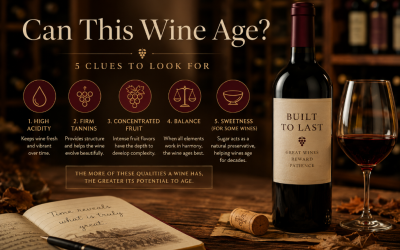
- how long it can age
Higher tannin wines tend to pair well with rich foods like steak and certain types of cheese, while lower tannin wines are more versatile and easy to enjoy on their own.
Understanding tannin is helpful — but experiencing it is even more powerful.
When you taste wines side by side, the differences become clear almost immediately.
A smooth Pinot Noir feels completely different from a bold Cabernet Sauvignon.
And once you notice it, you start to understand your own preferences more naturally.
🍷 Final Thought
You don’t need to memorise every grape or technical term.
Low
Pinot Noir → Gamay → Grenache
Medium
Barbera → Merlot → Sangiovese → Tempranillo
High
Syrah → Malbec → Cabernet Sauvignon
Just remember this:
👉 Smooth → low tannin
👉 Bold → high tannin
🔥 Pro Tip (Very Powerful)
- “Smooth & Easy” (left)
- “Bold & Structured” (right)
The next time you have a glass of wine, pay attention to how it feels.
That small detail can completely change how you experience wine.
At Wine Savoury, we explore wines across different tannin levels in a guided, relaxed setting — helping you discover what truly suits your palate.
Because wine is not just about taste.
It’s about understanding what you enjoy.