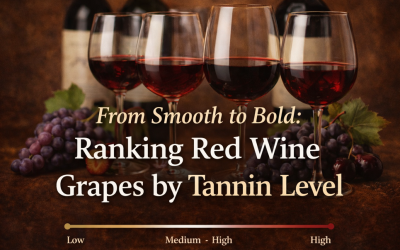
5 Most Popular Red Wine Grapes Every Wine Lover Should Know
A refined introduction to the grapes that define the world of red wine
Behind every memorable glass of red wine lies a quiet foundation—one that is often unseen, yet deeply influential.
The grape.
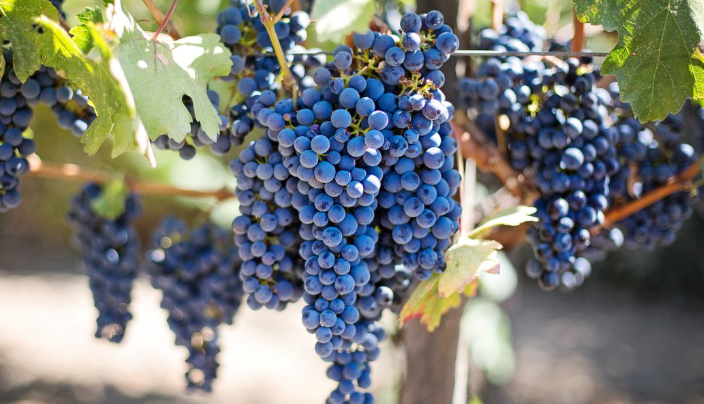
While regions, winemakers, and aging techniques all play their part, it is the grape variety that shapes the wine’s essential character—its structure, its flavour, and its personality. A good quality or premium wine is expensive because it has all these factors involved combined into a bottle.
For those beginning to explore wine more intentionally, understanding a few key grape varieties can transform the experience entirely.
Because once you recognise the grape, you begin to recognise the wine.
Here are five of the most important red wine grapes—each offering a distinct expression, and each worth knowing as you deepen your journey.
1. Cabernet Sauvignon — The Icon of Structure
Cabernet Sauvignon is often regarded as the king of red wine grapes.

Known for its depth, structure, and aging potential, it produces wines that are bold yet refined.
Expect flavours of:
- Blackcurrant
- Dark cherry
- Cedar and subtle spice
It is also defined by its tannins—the gentle drying sensation that gives the wine its firm backbone.
In its youth, Cabernet Sauvignon can feel powerful. With time, it softens, revealing layers of complexity and elegance.
For many, this is the grape that defines what a “serious” red wine feels like.
2. Merlot — The Art of Softness
Where Cabernet Sauvignon is structured, Merlot is graceful.
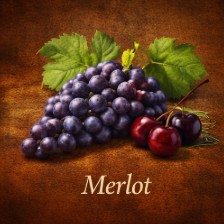
Merlot offers a softer, more rounded profile, making it one of the most approachable red wine grapes in the world.
Typical characteristics include:
- Plum and black cherry
- Chocolate and subtle herbal notes
- A smooth, velvety texture
It is often used in blends to soften more structured wines, but on its own, Merlot delivers quiet elegance.
It is a reminder that power is not always necessary—balance can be just as compelling.
3. Pinot Noir — Elegance in Its Purest Form
Pinot Noir is one of the most expressive—and delicate—red wine grapes.
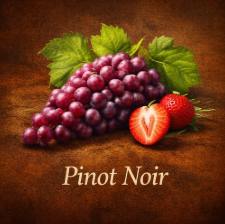
It thrives in cooler climates and produces wines that are lighter in body, yet remarkably complex.
You may notice:
- Red berries such as cherry and raspberry
- Floral hints
- Earthy undertones
What sets Pinot Noir apart is its transparency.
It reflects its environment more clearly than most grapes, making each bottle a unique expression of place.
It is not a wine that overwhelms—it invites you to pay attention.
4. Syrah (Shiraz) — Depth and Intensity
Syrah, also known as Shiraz in some regions, offers a darker, more intense expression.
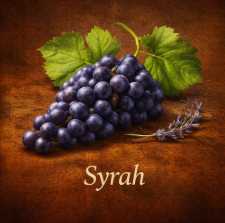
It is bold, expressive, and layered with character.
Common notes include:
- Blackberry and plum
- Black pepper and spice
- Smoky or savoury undertones
Depending on where it is grown, Syrah can range from refined and structured to rich and powerful.
It introduces a sense of depth that feels both commanding and captivating.
5. Grenache — Warmth and Generosity
Grenache is often the quiet contributor behind many blends, yet it is equally compelling on its own.
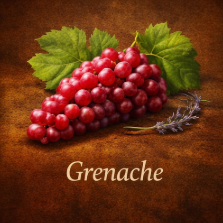
It produces wines that are:
- Fruit-forward, with strawberry and raspberry notes
- Soft in tannin
- Warm and approachable
Grenache thrives in warmer climates, giving it a generous, sun-kissed character.
It may not always demand attention—but it consistently delivers enjoyment.
And sometimes, that is exactly what you want.
Understanding Through Comparison
As you explore these grape varieties, something interesting begins to happen.
You start to recognise patterns:
- Cabernet Sauvignon feels structured and bold
- Merlot feels soft and smooth
- Pinot Noir feels light and elegant
- Syrah feels deep and intense
- Grenache feels warm and easy
These distinctions become reference points—guiding your choices, shaping your preferences, and building your confidence.
Wine becomes less of a mystery, and more of a language you begin to understand.
Beyond the Grape
While grape variety is essential, it is only one part of the story.
The same grape can taste entirely different depending on:
- Where it is grown
- How it is made
- How long it is aged
A Pinot Noir from France will not taste the same as one from New Zealand. A Cabernet Sauvignon from a cooler region will differ from one grown in a warmer climate.
And this is where wine becomes endlessly fascinating.
The grape provides the foundation—but the expression is always evolving.
A Final Reflection
To know these five grape varieties is to unlock a deeper level of appreciation.
You begin to move from simply liking a wine…
To understanding why you like it.
And in that understanding, your experience becomes richer, more intentional, and far more rewarding.
Because wine is not just about taste.
It is about recognition.
It is about connection.
It is about discovery.
Discover Premium Wines the Smarter Way
If you enjoyed this article and want to explore exceptional premium wines without spending hundreds on a single bottle, download our free guide below.