Climate, Weather & Wine: The Hidden Forces Behind Every Bottle
Have you ever wondered why a Cabernet Sauvignon from Bordeaux tastes completely different from one produced in Napa Valley? Or why some wines feel light, fresh, and vibrant while others are rich, powerful, and full-bodied?
The answer often begins long before the grapes are harvested. It starts with climate.
Climate is one of the most important factors influencing the character of wine. It affects how grapes ripen, the levels of sugar and acidity they develop, the thickness of their skins, and ultimately the aromas, flavours, and structure found in the finished wine.
While many factors contribute to wine quality—including soil, grape variety, and winemaking techniques—climate serves as the foundation upon which everything else is built.
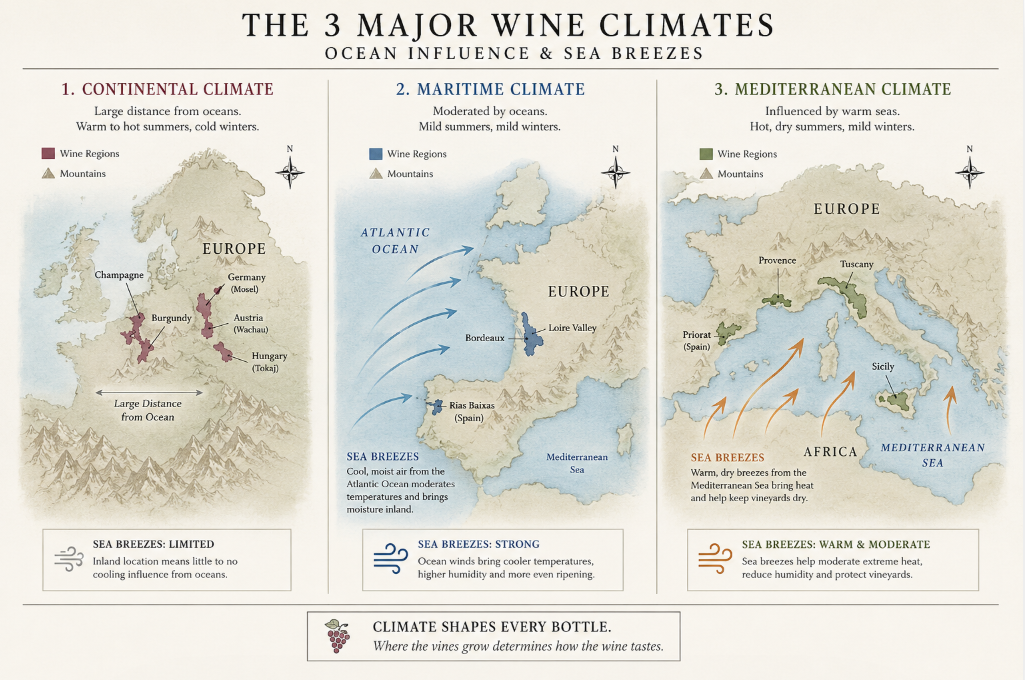
In the world of wine, three major climate types dominate many of the world’s most renowned wine regions:
• Continental Climate
• Maritime Climate
• Mediterranean Climate
Let’s explore how each climate influences the wines we enjoy.
Continental Climate
A continental climate is characterized by significant differences between summer and winter temperatures. Summers are typically warm to hot, while winters can be very cold. These regions are usually located inland and are less influenced by nearby oceans.
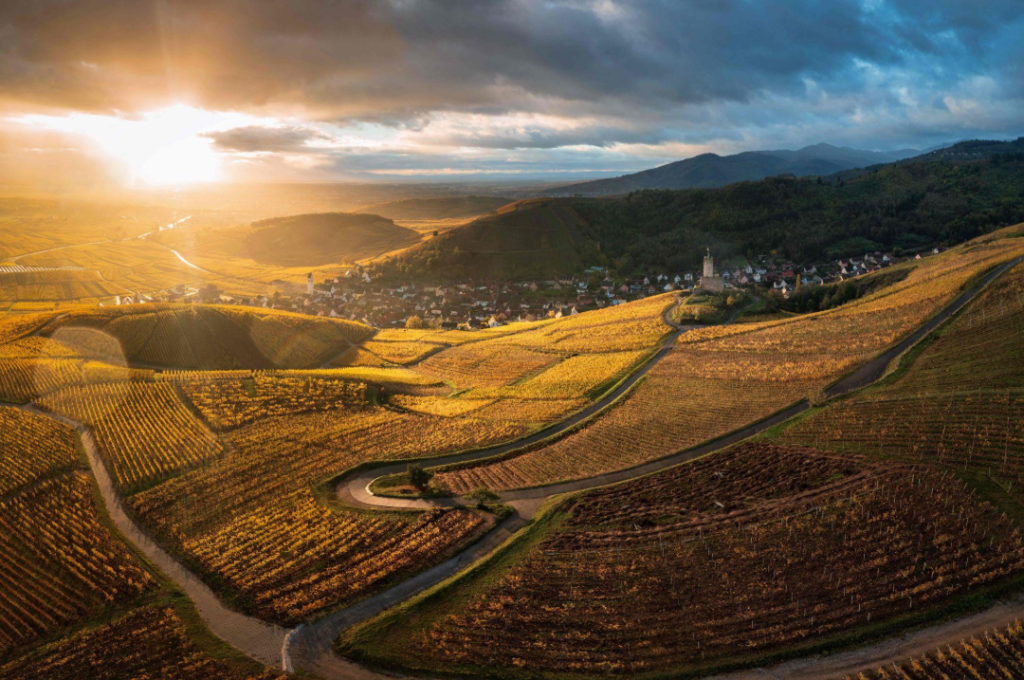
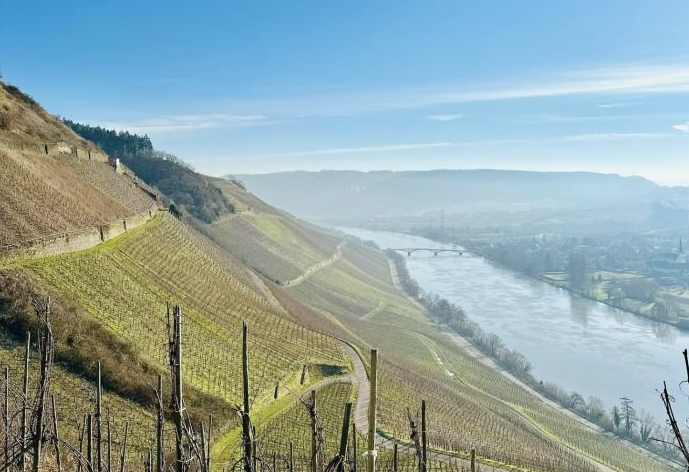
Key Characteristics
- Hot summers
- Cold winters
- Large day-to-night temperature variation
- Moderate rainfall
- Short growing seasons in some areas
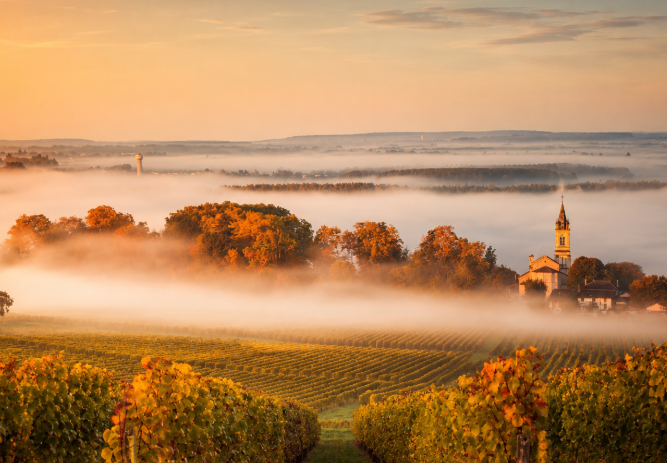
Visual Characteristics
- Cool mornings
- Seasonal variation
- Inland landscapes
- Frequent morning mist
- Significant temperature swings
Famous Continental Wine Regions
France
- Burgundy
- Champagne
- Alsace
Germany
- Mosel
- Rheingau
Austria
- Wachau
Hungary
- Tokaj
United States
- Parts of Washington State
How Continental Climate Affects Wine
The large temperature swings between day and night help grapes retain acidity while still achieving ripeness.
As a result, wines from continental regions often display:
Acidity: High
Cool nights preserve natural acidity, creating freshness and energy in the wine.
Tannins: Moderate to High
Red grapes often develop thicker skins due to climatic stress, contributing structure and tannin.
Body: Light to Medium
The cooler conditions generally produce more elegant and restrained wines.
Alcohol: Moderate
Grapes accumulate sugar more slowly, resulting in moderate alcohol levels.
Sweetness: Usually Dry
However, certain regions such as Germany and Tokaj can produce exceptional sweet wines due to late harvesting and noble rot.
Typical Aromatics
White Wines:
- Green apple
- Citrus
- White flowers
- Mineral notes
Red Wines:
- Cherry
- Cranberry
- Red currant
- Earthy and forest-floor characteristics
Overall, continental wines are often prized for their elegance, freshness, precision, and age-worthiness.
Maritime Climate
A maritime climate is strongly influenced by nearby oceans or large bodies of water. The water acts as a natural temperature regulator, preventing extreme heat and cold.
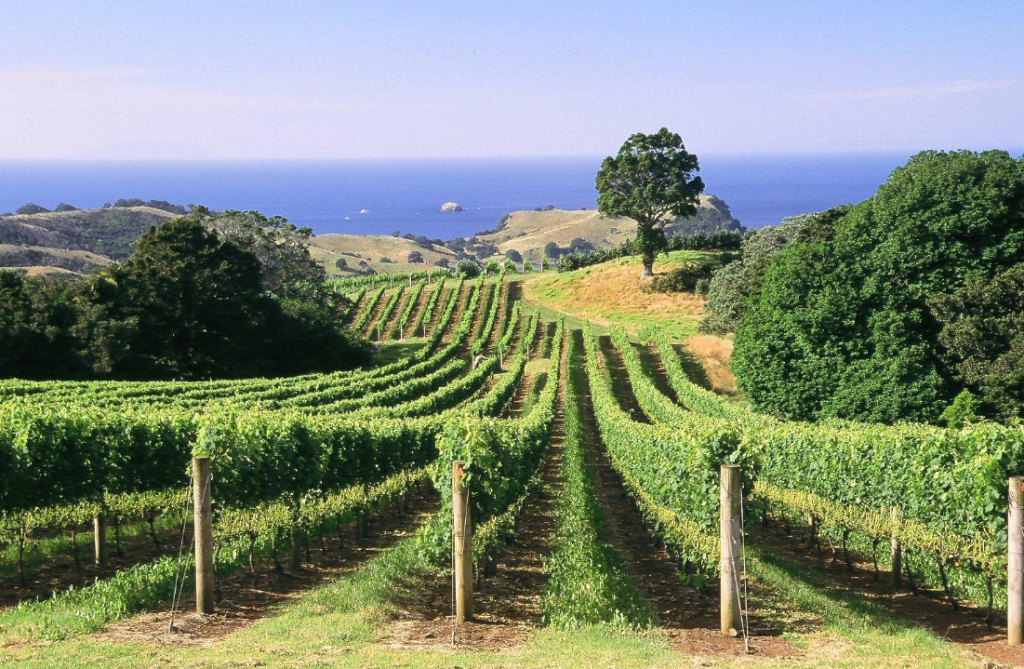
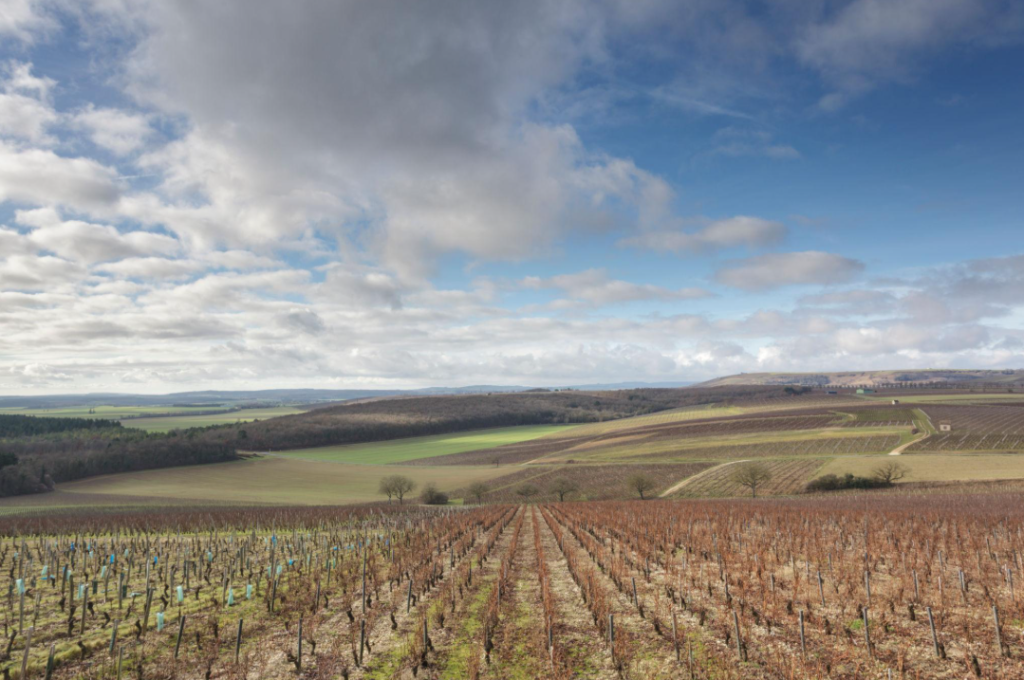
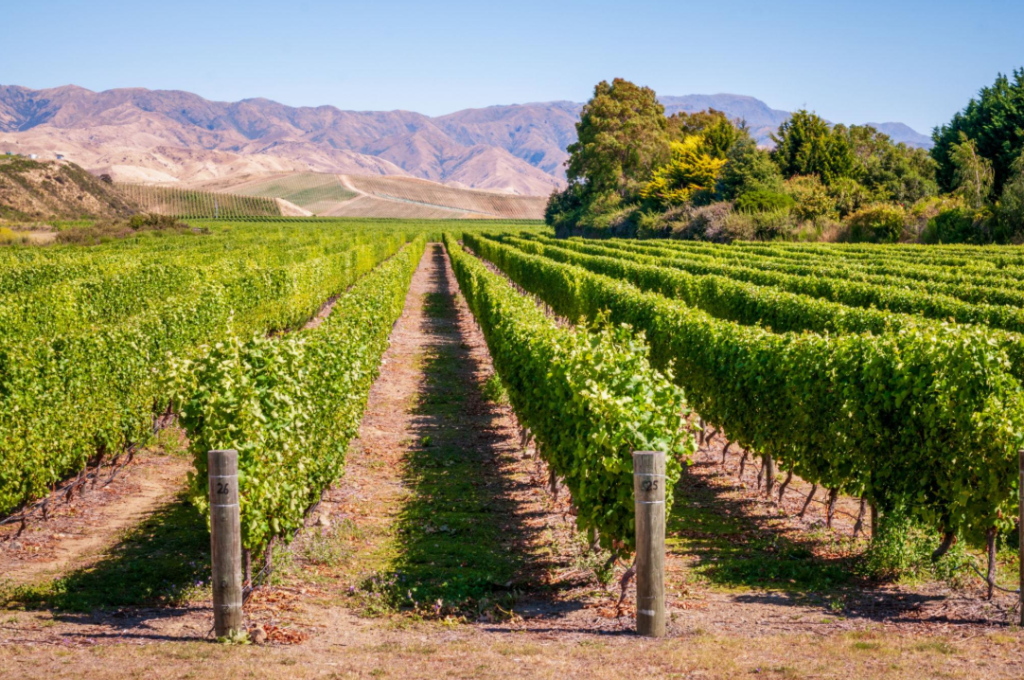
Key Characteristics
- Mild summers
- Mild winters
- Higher rainfall
- Smaller temperature variations
- Longer growing seasons
Visual Characteristics
- Ocean influence
- Cloud cover
- Mild temperatures
- Higher humidity
- Longer growing season
Famous Maritime Wine Regions
France
- Bordeaux
- Loire Valley
Spain
- Rías Baixas
New Zealand
- Marlborough
South Africa
- Walker Bay
United Kingdom
- Southern England
How Maritime Climate Affects Wine
The moderating influence of the ocean allows grapes to ripen slowly and evenly.
This slow ripening helps create balance between sugar, acidity, and flavour development.
Acidity: Medium to High
The cooler growing conditions preserve freshness.
Tannins: Moderate
Red wines generally show softer tannins compared to hotter climates.
Body: Medium
These wines tend to strike a balance between freshness and richness.
Alcohol: Moderate
Sugar accumulation occurs gradually, resulting in balanced alcohol levels.
Sweetness: Primarily Dry
Though some sweet wine styles are also produced.
Typical Aromatics
White Wines:
- Citrus
- Gooseberry
- Passionfruit
- Fresh herbs
Red Wines:
- Blackcurrant
- Plum
- Cedar
- Tobacco
Maritime wines are often known for their balance, finesse, freshness, and aromatic complexity.
Many of the world’s most food-friendly wines come from maritime regions because of their natural harmony between fruit, acidity, and structure.
Mediterranean Climate
Mediterranean climates are among the warmest wine-growing environments in the world. These regions experience long, sunny summers and mild winters.
The abundance of sunshine allows grapes to reach full physiological ripeness with ease.
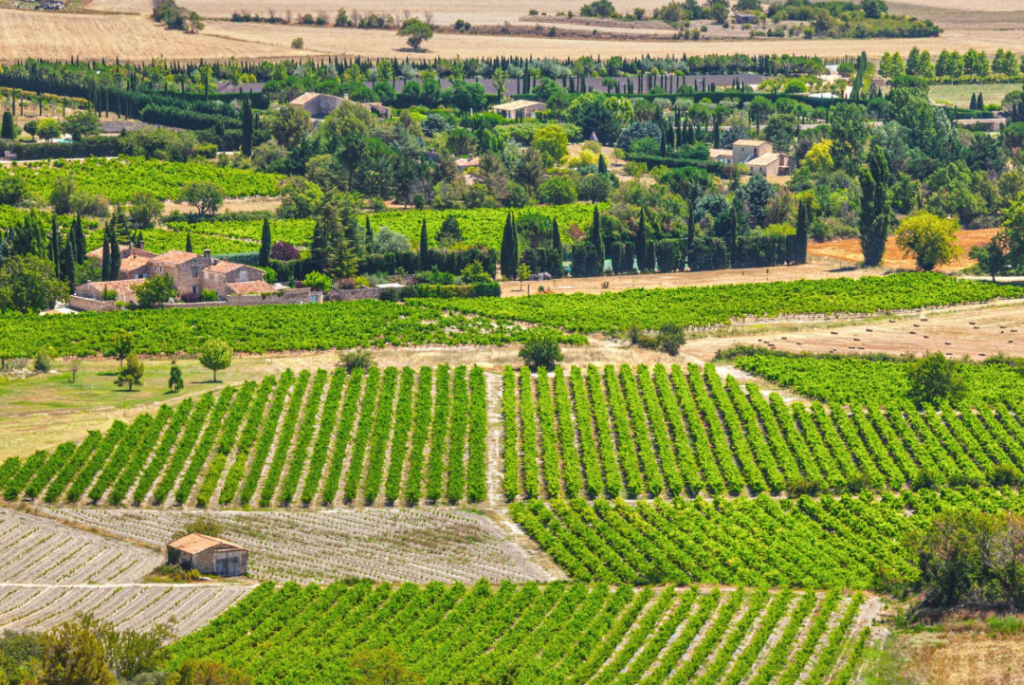
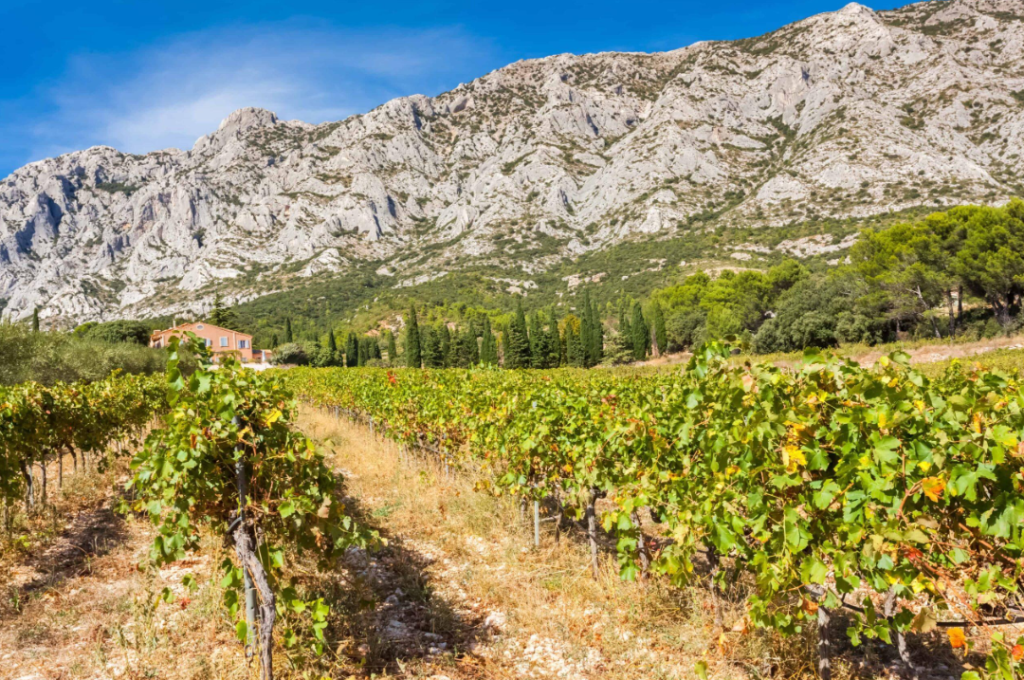
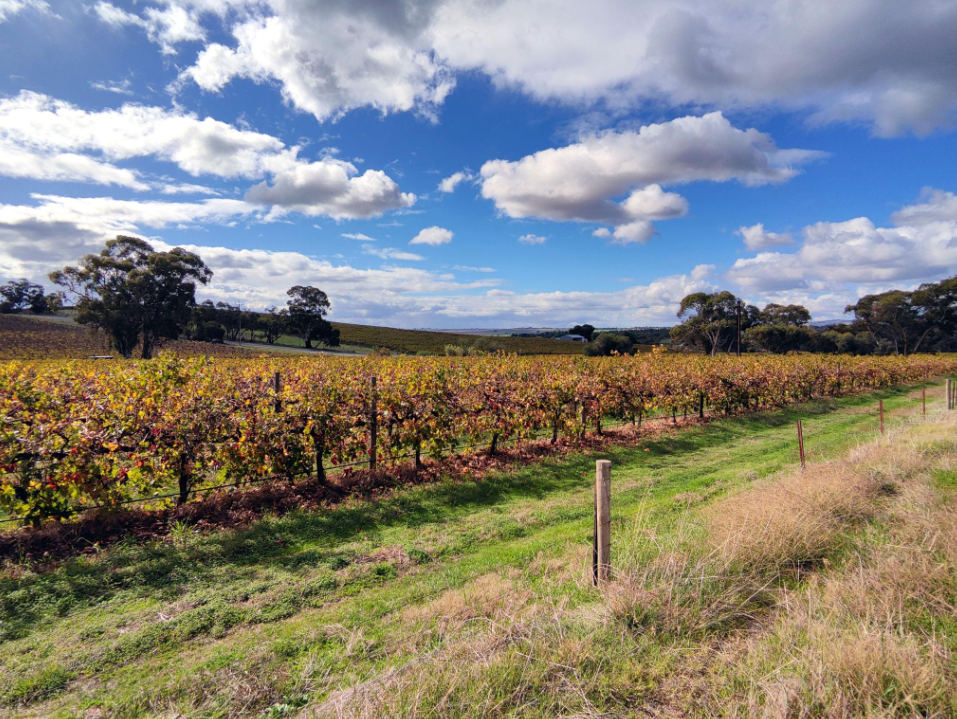
Key Characteristics
- Hot, dry summers
- Mild winters
- Low rainfall during growing season
- Long growing periods
- High sunshine hours
Visual Characteristics
- Abundant sunshine
- Dry conditions
- Warm temperatures
- Olive trees and Mediterranean vegetation
- Long ripening season
Famous Mediterranean Wine Regions
France
- Provence
- Southern Rhône
Spain
- Priorat
- Catalonia
Italy
- Tuscany
- Sicily
- Puglia
United States
- Napa Valley
- Sonoma Valley
Australia
- Barossa Valley
- McLaren Vale
How Mediterranean Climate Affects Wine
The plentiful sunshine encourages grapes to accumulate high levels of sugar and flavour compounds.
This often results in richer, more powerful wines.
Acidity: Moderate to Low
Warm temperatures reduce acidity during ripening.
Tannins: Medium to High
Red varieties often develop thick skins and concentrated tannins.
Body: Medium-Full to Full
These wines typically feel richer and more generous on the palate.
Alcohol: High
Higher sugar levels translate into higher alcohol during fermentation.
Sweetness: Usually Dry
Although ripe fruit flavours may create an impression of sweetness.
Typical Aromatics
White Wines:
- Peach
- Apricot
- Tropical fruits
- Honeysuckle
Red Wines:
- Blackberry
- Black cherry
- Fig
- Chocolate
- Spice
Mediterranean wines are often bold, generous, fruit-driven, and expressive.
They are perfect examples of how warmth can create richness and concentration in wine.
Comparing the Three Climate Types

Final Thoughts
Understanding climate is one of the most rewarding ways to deepen your appreciation of wine.
A wine’s climate influences far more than temperature alone. It shapes the grape’s journey from budburst to harvest, affecting acidity, tannin, body, alcohol, flavour intensity, and aromatic expression.
Continental climates create wines of elegance and freshness.
Maritime climates produce wines of balance and refinement.
Mediterranean climates give us wines of richness and power.
The next time you enjoy a glass of wine, take a moment to look beyond the grape variety and consider where it was grown. You may discover that the true story of the wine begins not in the bottle, but in the climate that shaped it.
At Wine Savoury, we believe every bottle tells a story—and climate is one of the most important chapters.