How Soil Shapes Wine: The Hidden Influence Beneath Every Vineyard
When wine lovers discuss great wines, they often talk about grape varieties, climate, vintage, and winemaking techniques. Yet beneath every vineyard lies one of the most influential factors of all—the soil.
A vine’s roots may extend several metres beneath the surface, drawing water and nutrients from layers of rock and earth that have been forming for millions of years. These soils influence vine vigor, water availability, drainage, root depth, ripening speed, and ultimately the style and character of the wine.
While soil does not directly add flavors such as “chalk” or “granite” into wine, it profoundly affects how vines grow and how grapes develop.
To better understand vineyard soils, it helps to begin with the three major rock families from which many wine soils originate.
The Three Major Rock Types
The soils found in the world’s vineyards originate from three major rock families: igneous, sedimentary, and metamorphic rocks. These rocks were formed through different geological processes over millions of years and have a profound influence on how vines grow and grapes ripen.
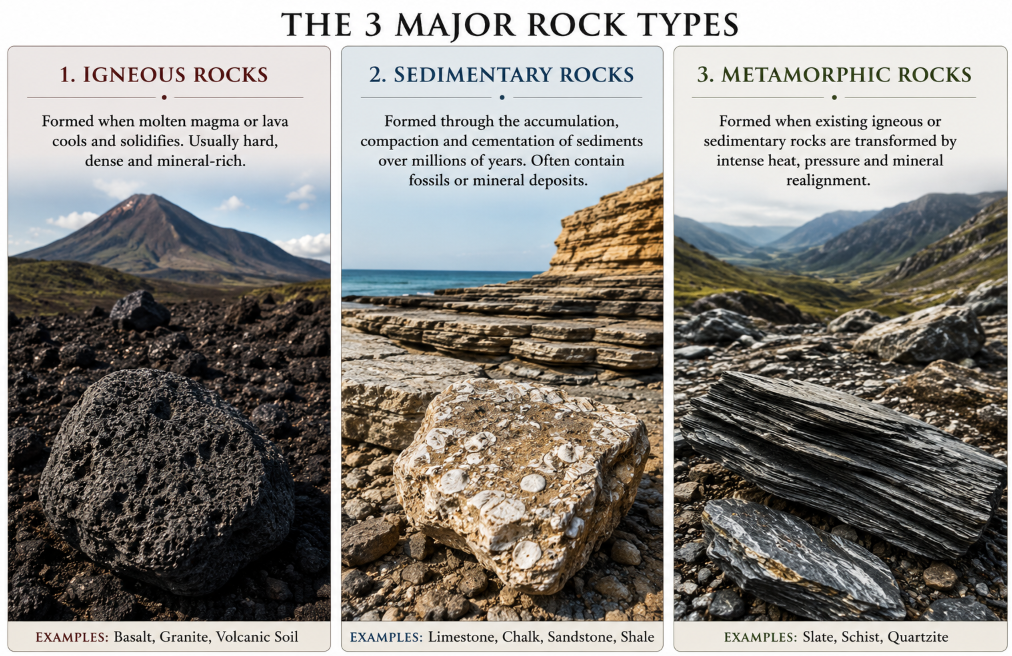
Igneous rocks are created when molten magma or lava cools and solidifies, producing mineral-rich soils such as basalt and granite.
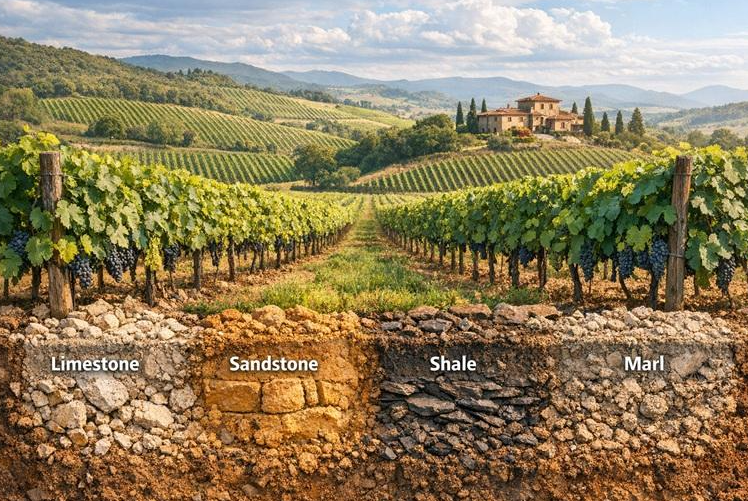
Sedimentary rocks form from layers of sediments, fossils, and minerals compressed over time, giving rise to soils like limestone, chalk, and sandstone.
Metamorphic rocks begin as igneous or sedimentary rocks but are transformed by intense heat and pressure, creating distinctive soils such as slate and schist. Together, these three rock types form the geological foundation of many of the world’s greatest wine regions, influencing drainage, water retention, vine vigor, and ultimately the character of the wines we enjoy.
1. Igneous Rocks
Igneous rocks are formed when molten magma or lava cools and solidifies.
They are generally hard, mineral-rich, and highly resistant to erosion.
Examples:
- Basalt
- Granite
- Volcanic Soils
These soils often produce wines with concentration, freshness, and mineral tension.
2. Sedimentary Rocks
Sedimentary rocks form through the accumulation and compression of sediments over millions of years.
They often contain fossils, marine deposits, and layers of minerals.
Examples:
- Limestone
- Chalk
- Sandstone
- Shale
These soils are among the most common in famous wine regions and frequently contribute to elegance and balance.
3. Metamorphic Rocks
Metamorphic rocks begin as igneous or sedimentary rocks but are transformed by intense heat and pressure.
They often develop layered structures that allow vine roots to penetrate deeply.
Examples:
- Slate
- Schist
- Quartzite
These soils commonly produce wines with intensity, structure, and strong mineral expression.
Major Vineyard Soil Types
Basalt
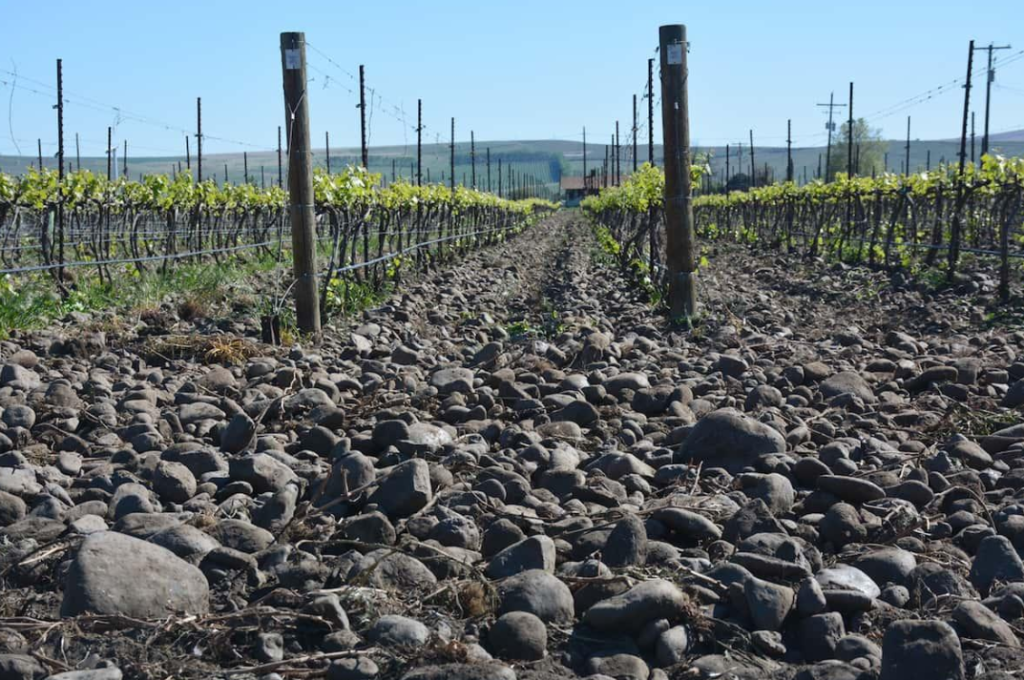
Appearance:
Dark black volcanic rock rich in iron and magnesium.
Pros:
- Excellent drainage
- Retains heat
- Encourages deep rooting
Cons:
- Can be low in nutrients
- Difficult to cultivate
Famous Region:
Willamette Valley (Oregon)
Wine Style:
Structured wines with freshness and dark fruit concentration.
Chalk
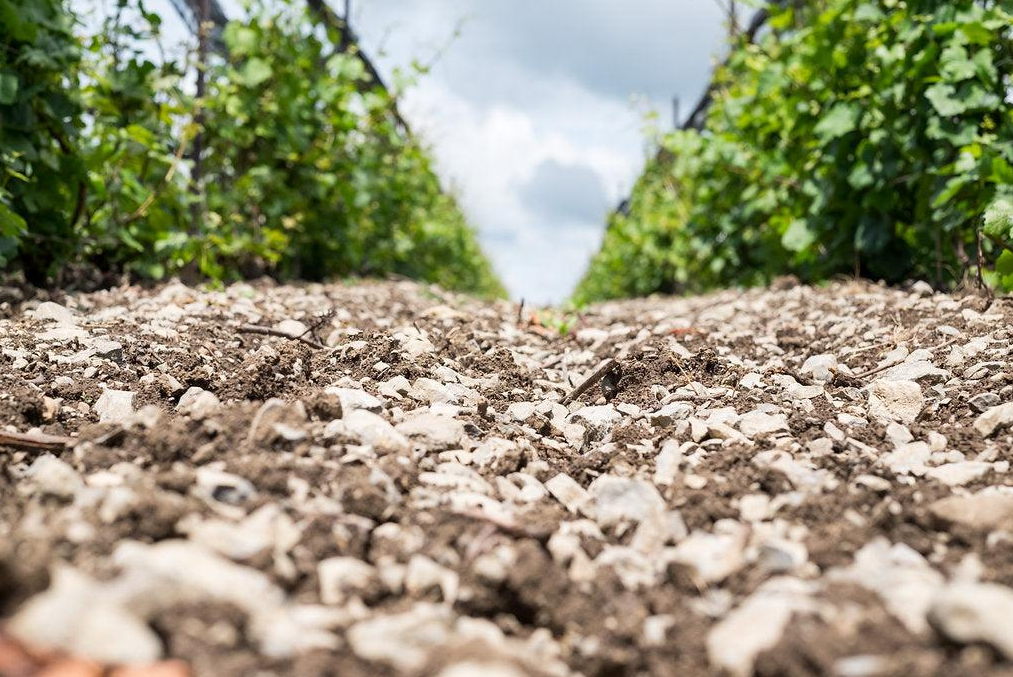
Appearance:
Soft white porous limestone made from ancient marine fossils.
Pros:
- Excellent water retention
- Good drainage
- Maintains acidity
Cons:
- Can limit vine vigor
Famous Region:
Champagne, France
Wine Style:
Elegant wines with vibrant acidity and precision.
Clay
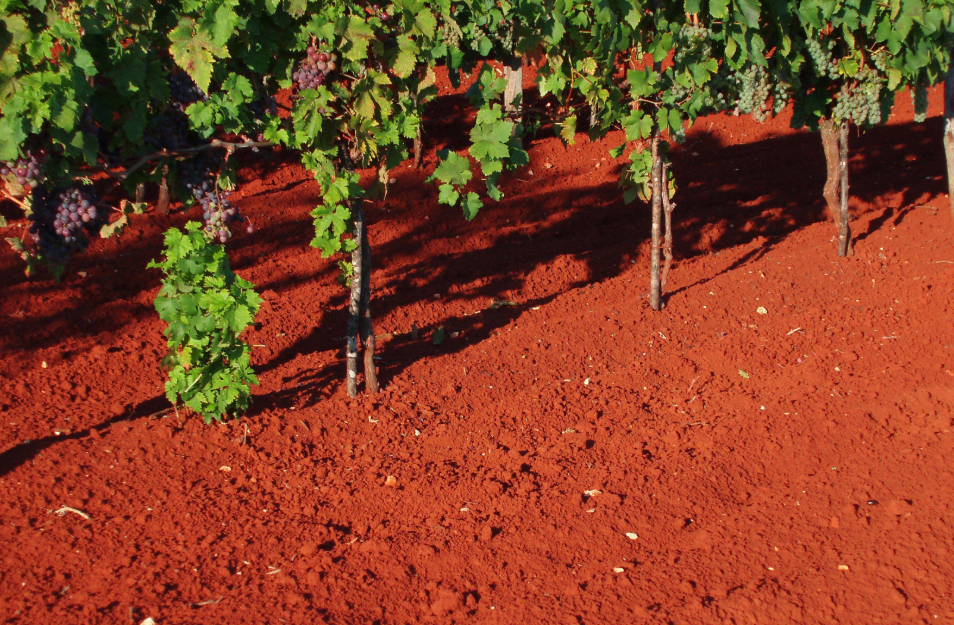
Appearance:
Dense, sticky soil that becomes hard when dry.
Pros:
- Holds water effectively
- Supports vines during drought
Cons:
- Poor drainage
- Slow warming in spring
Famous Region:
Pomerol, Bordeaux
Wine Style:
Full-bodied wines with richness and plush texture.
Flint
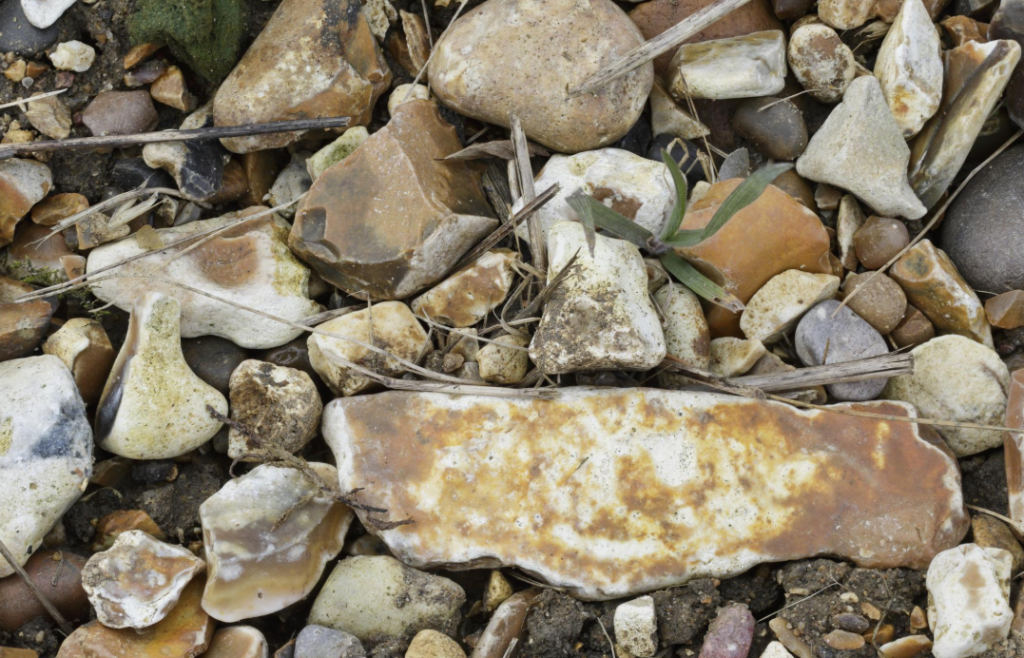
Appearance:
Hard grey-black stones that spark when struck.
Pros:
- Reflects heat
- Excellent drainage
Cons:
- Low fertility
Famous Region:
Sancerre, Loire Valley
Wine Style:
Highly mineral wines with smoky characteristics.
Gravel
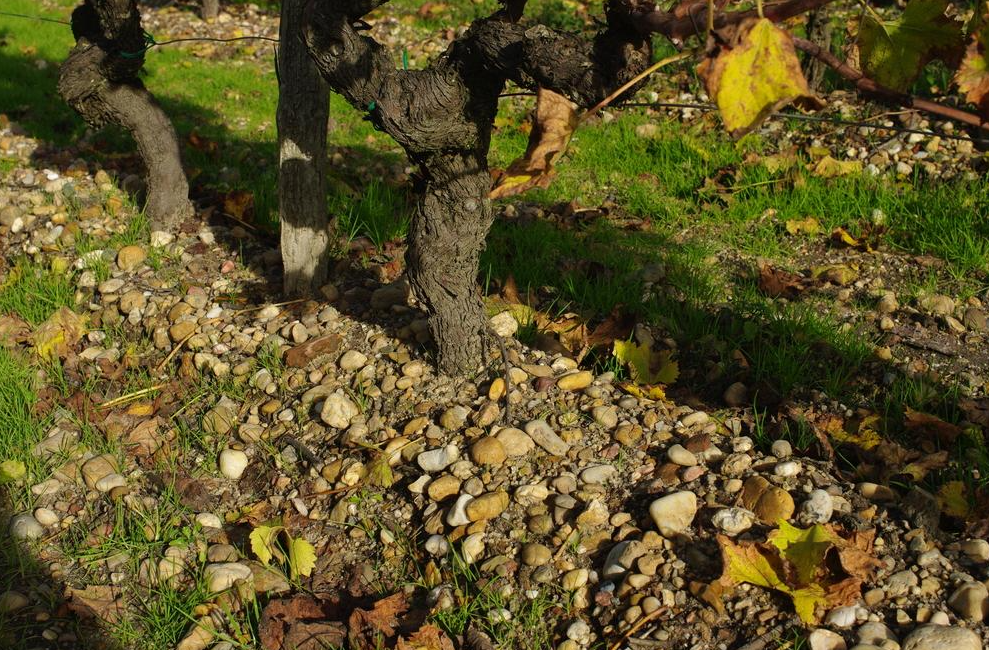
Appearance:
Rounded stones and pebbles.
Pros:
- Outstanding drainage
- Retains heat
Cons:
- Low water retention
Famous Region:
Médoc, Bordeaux
Wine Style:
Structured Cabernet Sauvignon with firm tannins.
Granite
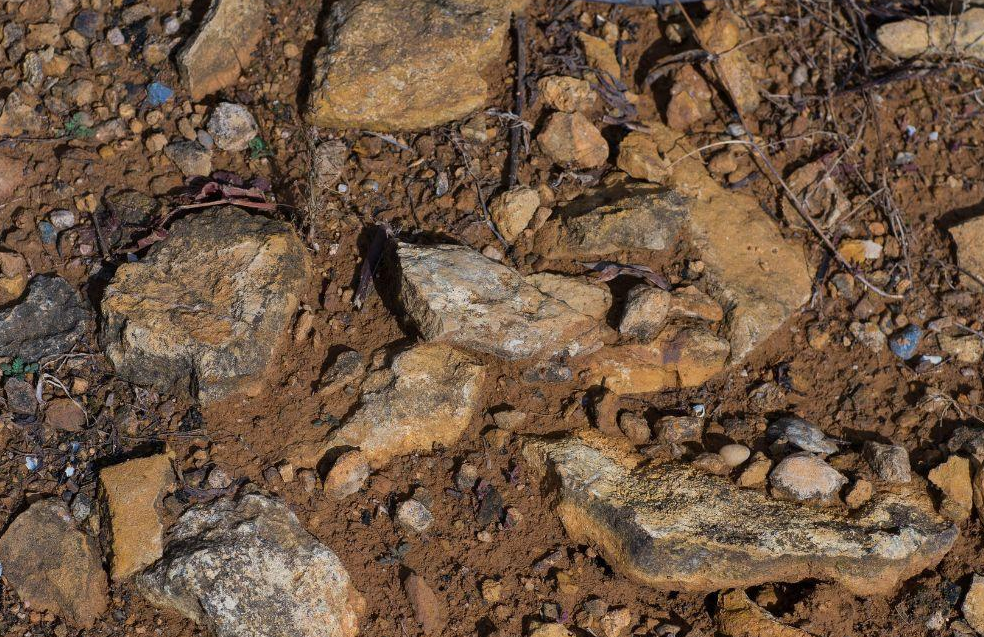
Appearance:
Coarse crystalline rock composed of quartz, feldspar, and mica.
Pros:
- Excellent drainage
- Encourages deep roots
Cons:
- Low nutrient availability
Famous Region:
Beaujolais, France
Wine Style:
Elegant wines with bright fruit and freshness.
Quartz
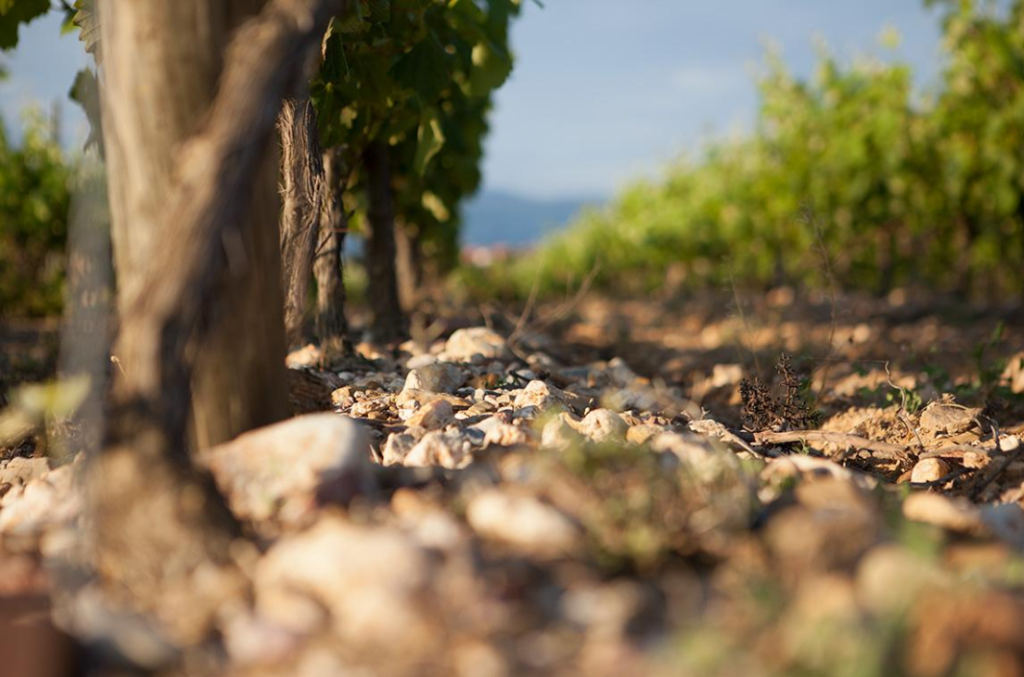
Appearance:
White crystalline mineral fragments.
Pros:
- Reflects sunlight
- Promotes ripening
Cons:
- Low fertility
Famous Region:
Parts of Priorat, Spain
Wine Style:
Concentrated wines with notable minerality.
Limestone
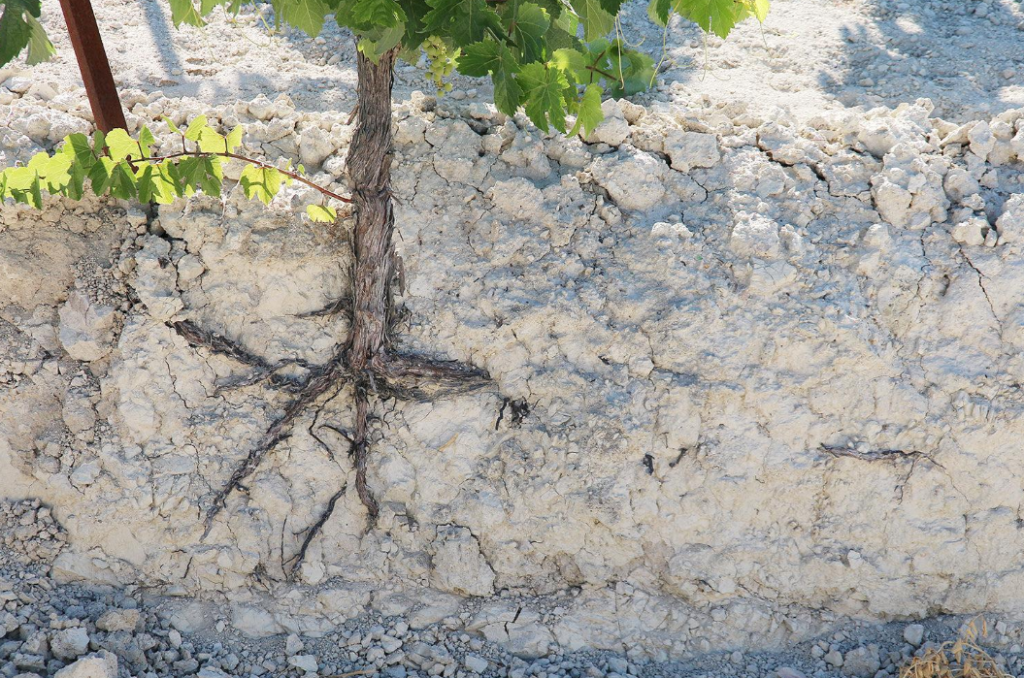
Appearance:
Light-colored sedimentary rock formed from marine organisms.
Pros:
- Balances drainage and water retention
- Preserves acidity
Cons:
- May restrict vigor
Famous Region:
Burgundy, France
Wine Style:
Complex wines with elegance and longevity.
Loam
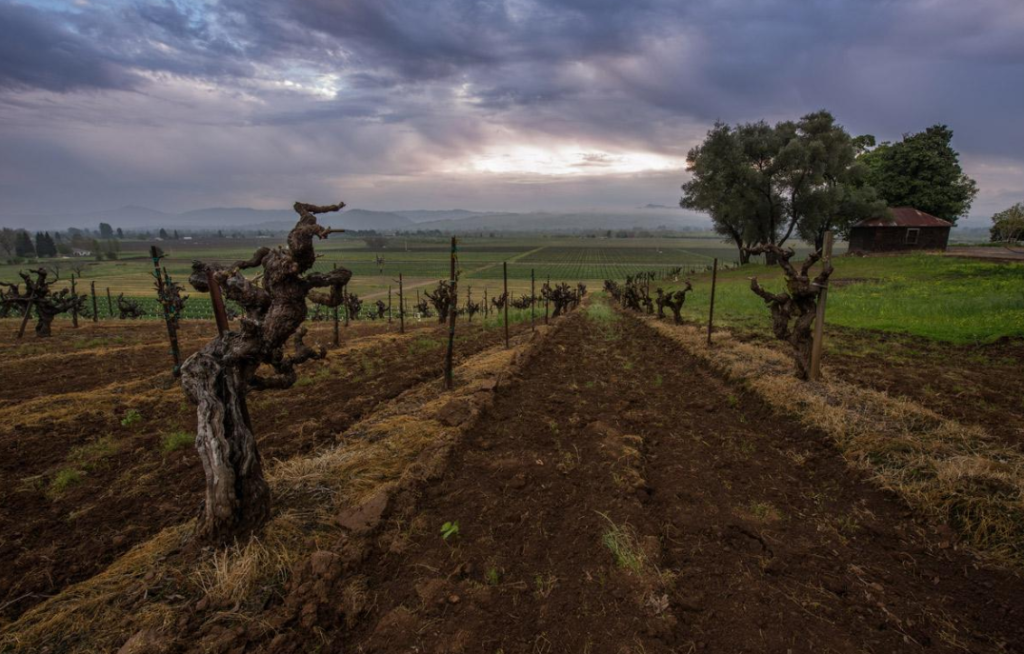
Appearance:
Balanced mix of sand, silt, and clay.
Pros:
- Highly fertile
- Good moisture retention
Cons:
- Excessive vigor if unmanaged
Famous Region:
Napa Valley
Wine Style:
Fruit-forward, approachable wines.
Loess
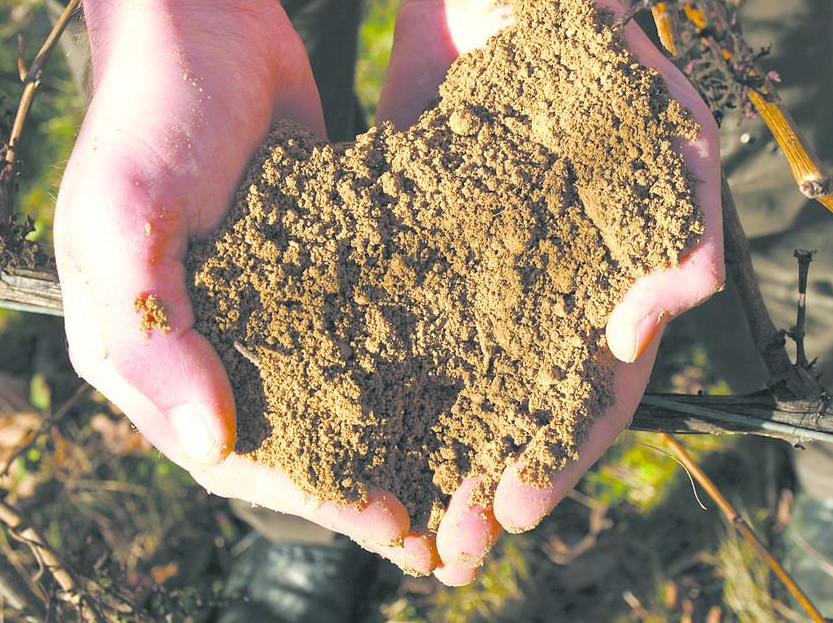
Appearance:
Fine wind-blown yellowish silt.
Pros:
- Good drainage
- Easy root penetration
Cons:
- Vulnerable to erosion
Famous Region:
Wachau, Austria
Wine Style:
Aromatic whites with finesse.
Sand
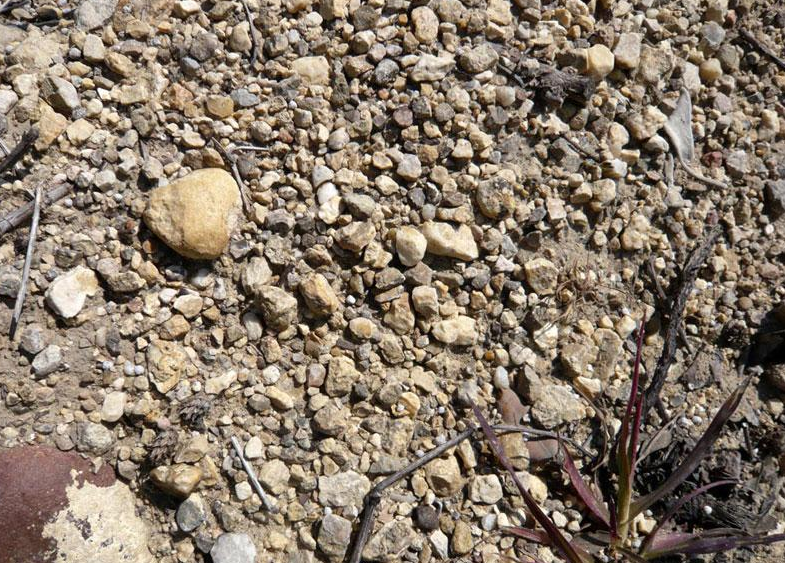
Appearance:
Loose granular particles.
Pros:
- Excellent drainage
- Low disease pressure
Cons:
- Low water retention
Famous Region:
Colares, Portugal
Wine Style:
Perfumed wines with softer tannins.
Sandstone
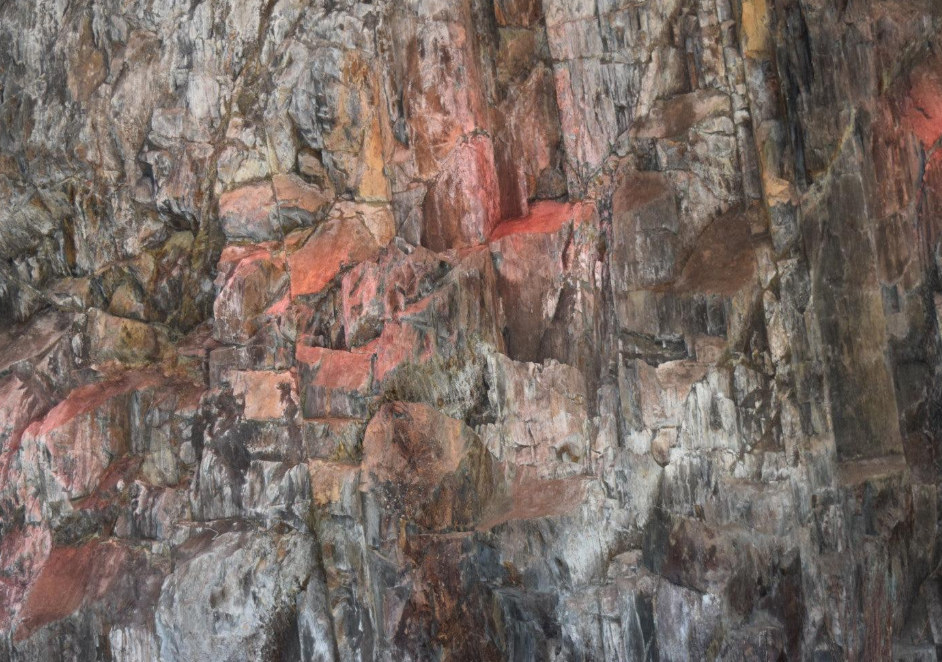
Appearance:
Compressed grains of sand forming layered rock.
Pros:
- Good drainage
- Moderate fertility
Cons:
- Can dry out quickly
Famous Region:
McLaren Vale, Australia
Wine Style:
Elegant wines with lifted aromatics.
Schist
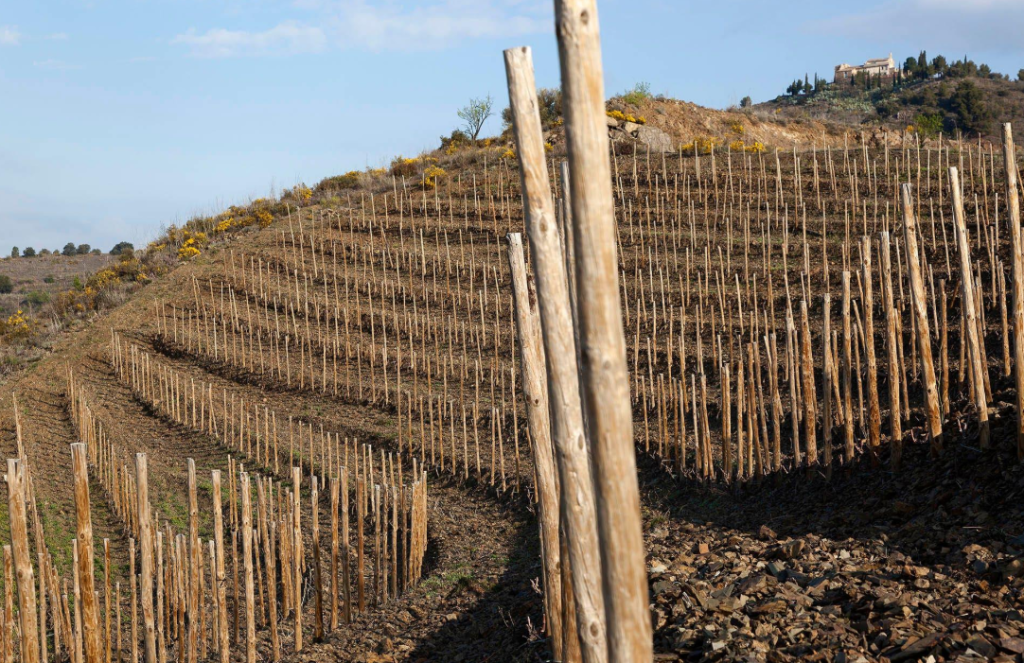
Appearance:
Layered metamorphic rock that breaks into thin plates.
Pros:
- Excellent drainage
- Deep root penetration
Cons:
- Low fertility
Famous Region:
Priorat, Spain
Wine Style:
Powerful wines with mineral complexity.
Shale
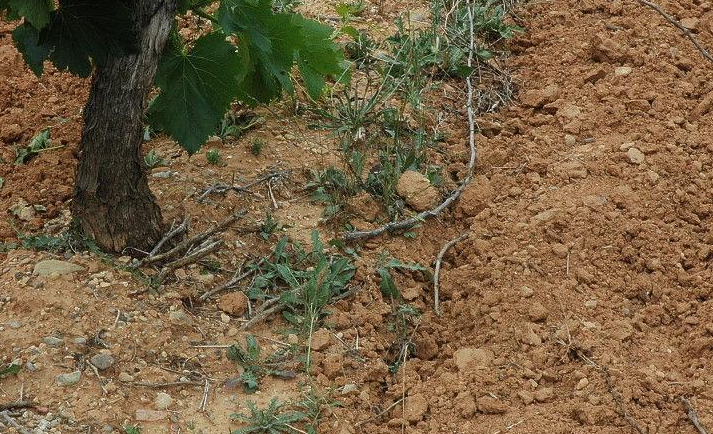
Appearance:
Fine-grained layered sedimentary rock.
Pros:
- Retains warmth
- Good mineral content
Cons:
- Variable drainage
Famous Region:
Barossa Valley, Australia
Wine Style:
Rich, concentrated wines.
Silt
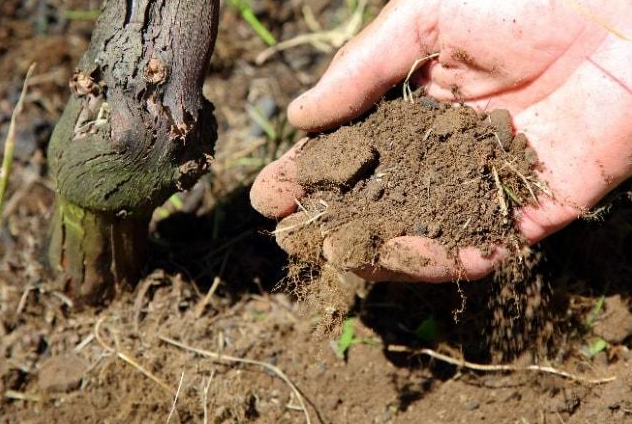
Appearance:
Smooth fine particles larger than clay but smaller than sand.
Pros:
- Good moisture retention
- Fertile
Cons:
- Compaction risk
Famous Region:
Washington State, USA
Wine Style:
Balanced wines with generous fruit.
Slate
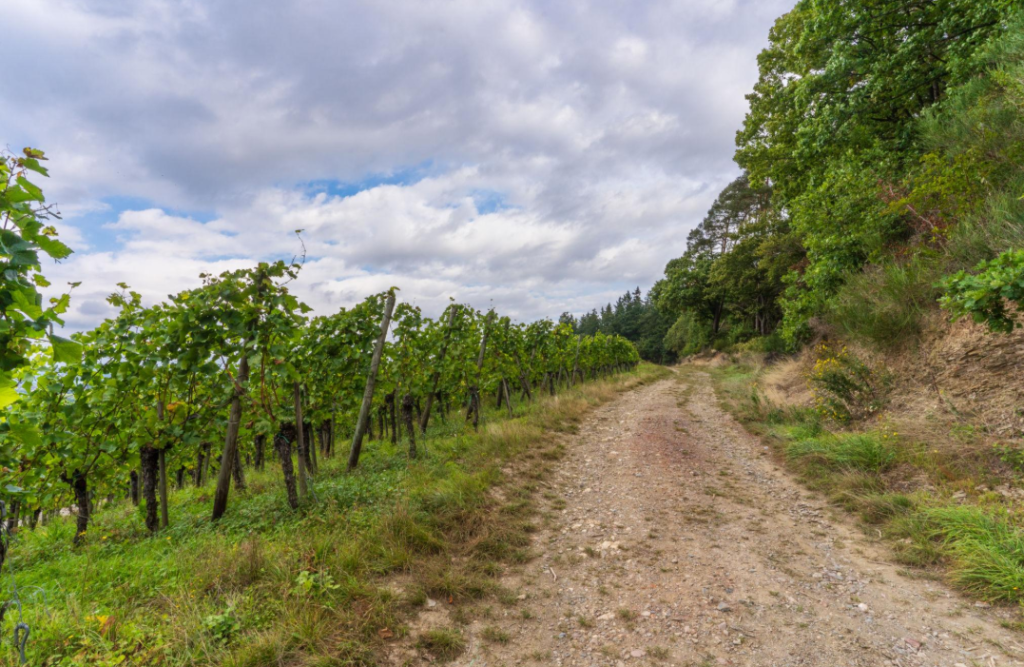
Appearance:
Dark metamorphic rock that fractures into flat sheets.
Pros:
- Stores heat
- Excellent drainage
Cons:
- Low fertility
Famous Region:
Mosel, Germany
Wine Style:
Rieslings with high acidity and remarkable minerality.
Terra Rossa
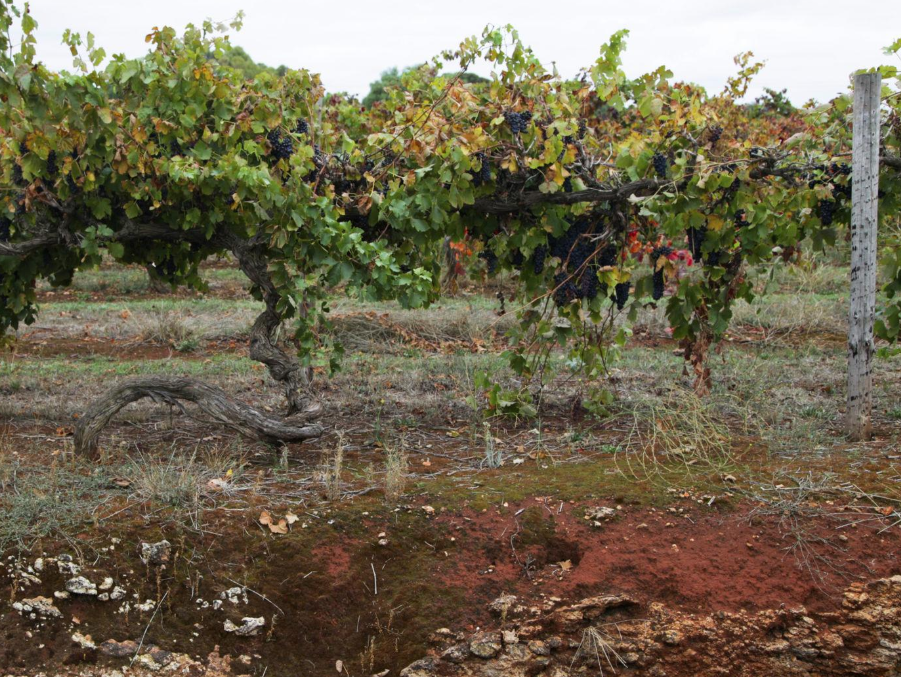
Appearance:
Distinctive red soil rich in iron oxide over limestone.
Pros:
- Good drainage
- Deep root penetration
Cons:
- Moderate fertility
Famous Region:
Coonawarra, Australia
Wine Style:
Structured Cabernet Sauvignon with longevity.
Volcanic Soil
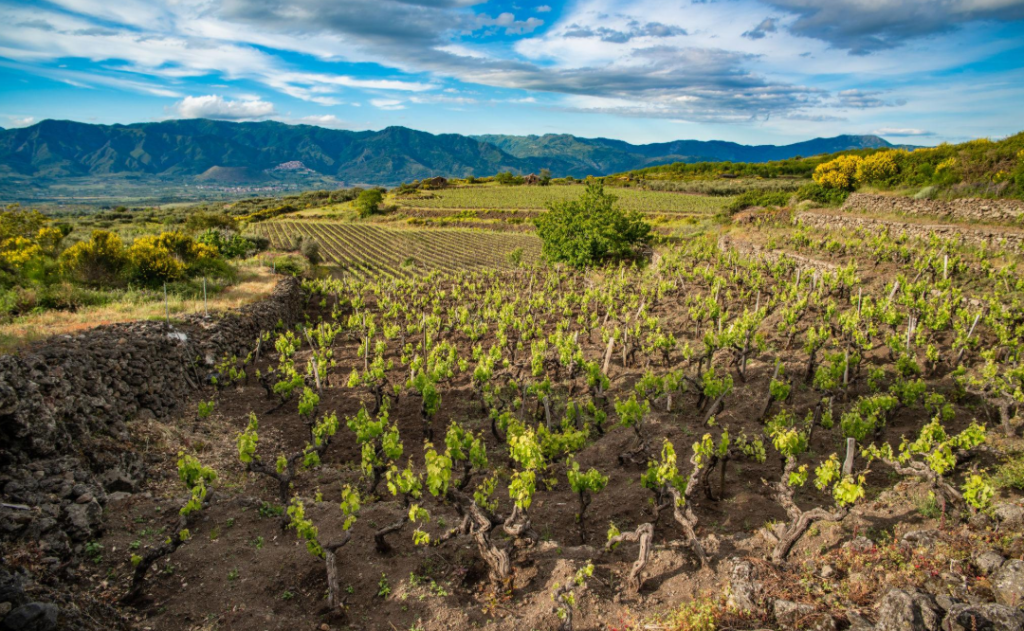
Appearance:
Dark soils formed from volcanic ash, pumice, and lava.
Pros:
- Rich mineral composition
- Excellent drainage
Cons:
- Often low in organic matter
Famous Region:
Mount Etna, Sicily
Wine Style:
Complex wines with freshness and mineral tension.
Soil and Wine: The Bigger Picture
No single soil type is inherently superior. Great wines are produced from chalk in Champagne, slate in Mosel, schist in Priorat, volcanic soils on Mount Etna, and gravel in Bordeaux.
The true magic happens when soil works together with climate, grape variety, and human expertise.
A vine growing in limestone under a cool continental climate will produce a very different wine from the same grape planted in volcanic soil under a warm Mediterranean climate.
This interaction between climate, soil, topography, and viticulture is what wine lovers call terroir.
The next time you enjoy a glass of wine, remember that the story doesn’t begin in the winery—it begins beneath the vineyard, where ancient rocks and soils quietly shape every bottle we drink.