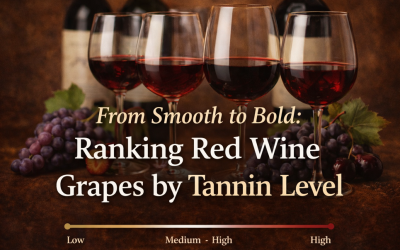
The Art of Pinot Noir: 10 Countries, 10 Expressions, One Extraordinary Grape
In this article, I would like to introduce to you one of the world’s most elegant and fascinating red grape varieties, the Pinot Noir. Unlike Cabernet Sauvignon, which is often associated with power, concentration and firm tannins, Pinot Noir is celebrated for its elegance, delicate structure, aromatic complexity and ability to express its place of origin.
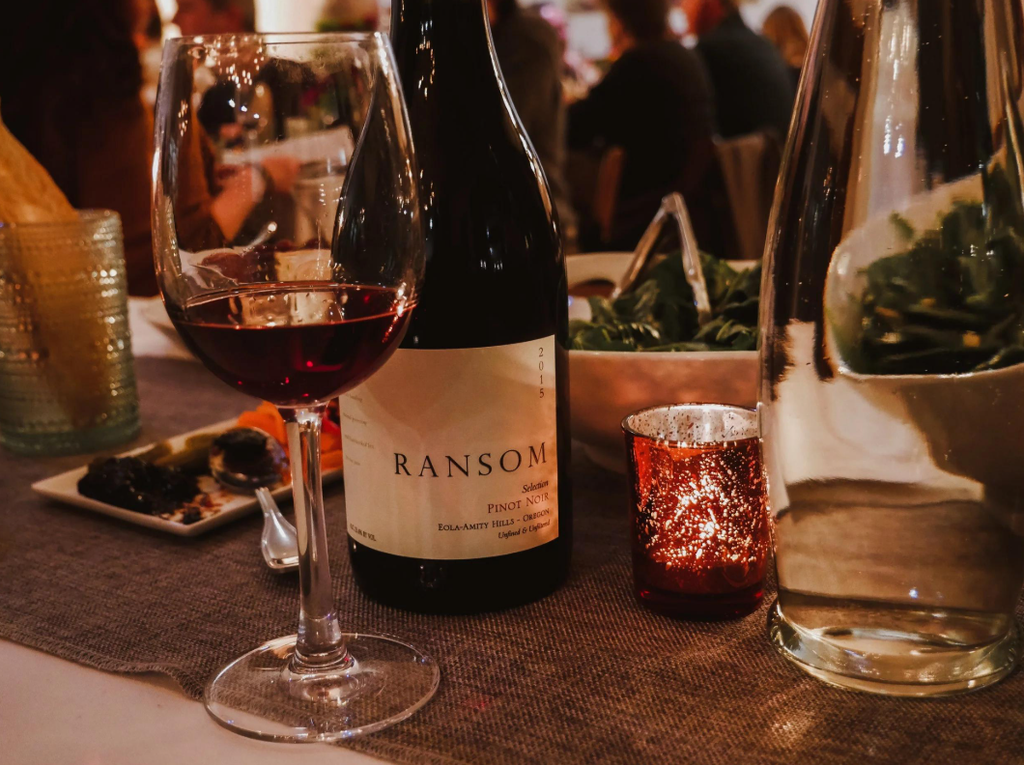
One important point: there is no universally agreed ranking of the world’s ten best Pinot Noirs. Instead, I’ve selected ten internationally respected examples from ten different countries. They represent distinctive wine regions, producers and styles, giving your guests an interesting tasting journey.
Few grape varieties inspire as much admiration and fascination as Pinot Noir. Often described as the most elegant and sophisticated of red wines, Pinot Noir has captivated wine enthusiasts, collectors and winemakers for centuries.
Originally from Burgundy, France, this delicate grape has travelled across the world, finding remarkable expressions in countries such as the United States, New Zealand, Germany and Australia.
But what makes Pinot Noir so special? Why is it considered one of the world’s finest grape varieties, and why is it so difficult and expensive to cultivate?
Let’s explore the fascinating world of Pinot Noir through ten outstanding examples from ten countries.
Why Is Pinot Noir So Special?
Pinot Noir is often called the “heartbreak grape” because it can be incredibly rewarding to grow, but equally frustrating.
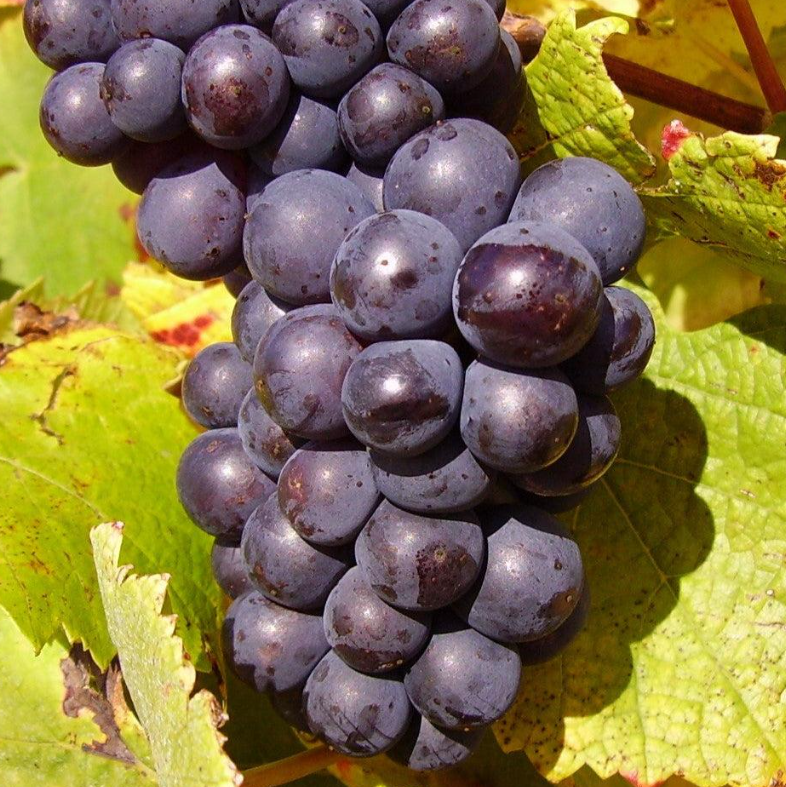
Unlike Cabernet Sauvignon, which has thicker skins and is relatively adaptable, Pinot Noir is thin-skinned, sensitive to climatic conditions and particularly vulnerable to vineyard diseases.
Its tightly packed grape clusters make it susceptible to rot, especially in wet and humid conditions. It also buds early, making it vulnerable to spring frost.
Growing excellent Pinot Noir requires:
- Carefully selected vineyard sites.
- Cool to moderate climates.
- Precise vineyard management.
- Careful control of yields.
- Skilled winemaking.
These challenges contribute to its higher production costs, particularly in prestigious regions such as Burgundy.
What Makes Pinot Noir Different?
Pinot Noir is generally lighter in colour and body than Cabernet Sauvignon, Merlot or Syrah.
Its distinguishing characteristics include:
- Body: Light to medium, occasionally medium-full.
- Tannins: Low to medium, generally soft and silky.
- Acidity: Medium-high to high.
- Alcohol: Typically 12–14.5%.
- Sweetness: Usually dry.
Its aromatic complexity is another major attraction. Expect red cherries, strawberries, raspberries and cranberries, often accompanied by violets, spices, mushrooms, forest floor and earthy notes.
As Pinot Noir ages, its fresh fruit characteristics can evolve into more complex aromas of truffles, leather, dried flowers and savoury forest-floor notes.
Perhaps its greatest distinction is its ability to express terroir. The same grape can produce remarkably different wines depending on where it is grown.
10 Outstanding Pinot Noirs From Around the World
Here are ten internationally respected examples worth exploring. They are selected as regional benchmarks rather than an absolute ranking.
1. France – Burgundy
Domaine Faiveley Mercurey Premier Cru
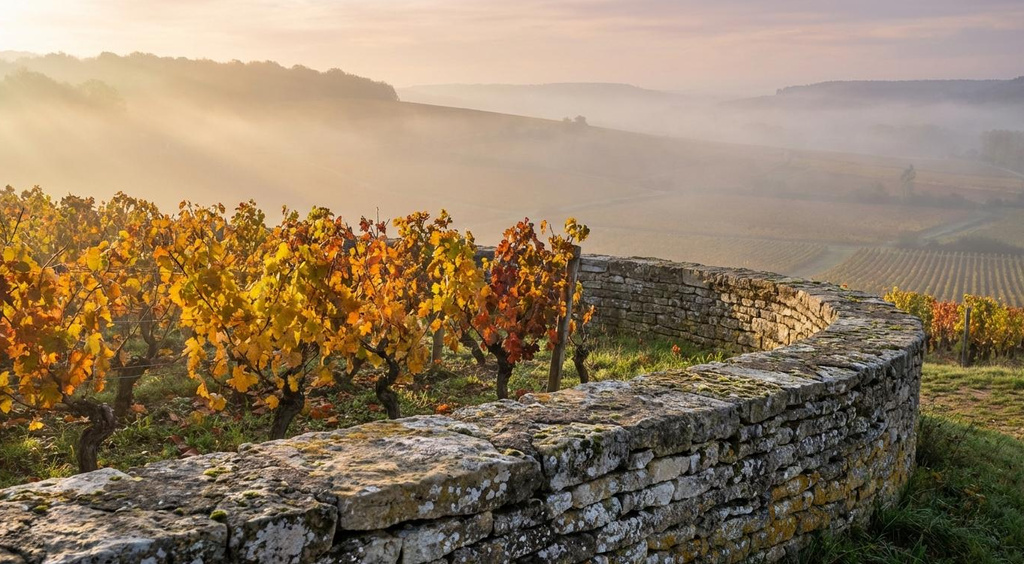
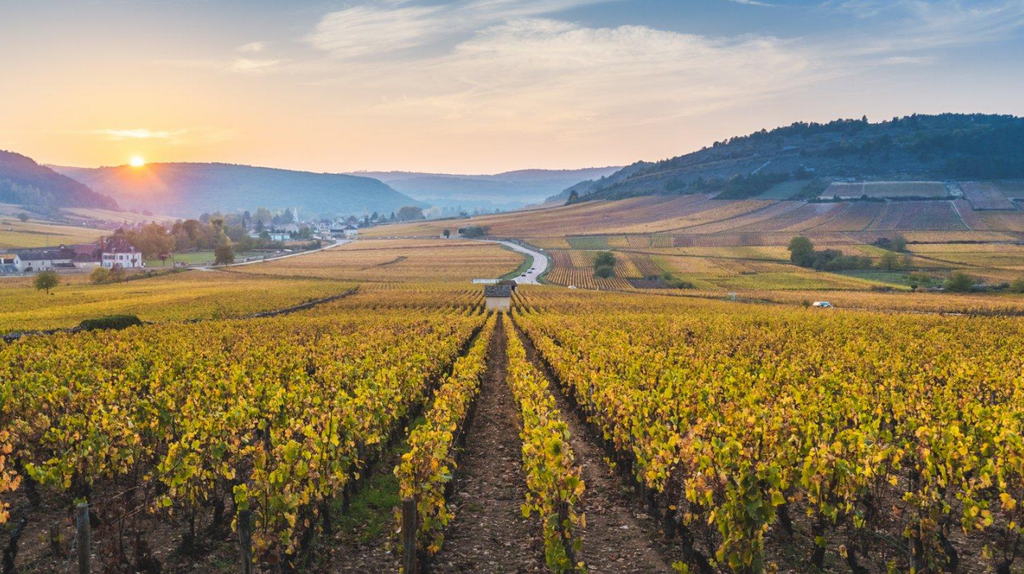
Burgundy is the spiritual home of Pinot Noir and remains the benchmark against which many other regions are measured.
This wine represents the elegance of the Côte Chalonnaise, with red cherry, raspberry, earthy notes and subtle spice.
Five elements:
- Body: Medium
- Tannins: Medium, fine-grained
- Acidity: High
- Alcohol: Approximately 13–13.5%
- Sweetness: Dry
Aromatics and flavours: Red cherry, raspberry, violet, forest floor, mushroom and subtle earthy spice.
What makes Burgundy special is its remarkable expression of individual vineyard sites. Even neighbouring vineyards can produce distinctly different wines.
2. United States – Oregon
Domaine Serene Evenstad Reserve Pinot Noir
Oregon’s Willamette Valley has established itself as one of the world’s leading Pinot Noir regions.
Domaine Serene is particularly respected for producing elegant wines with depth and structure.
Five elements:
- Body: Medium
- Tannins: Medium, silky
- Acidity: Medium-high
- Alcohol: Approximately 14–14.5%
- Sweetness: Dry
Aromatics and flavours: Wild strawberry, cherry, rose petals, blueberry, leather, cloves and subtle oak.
Compared with Burgundy, Oregon Pinot Noir can offer a slightly richer fruit profile while retaining freshness and elegance.
3. New Zealand – Central Otago
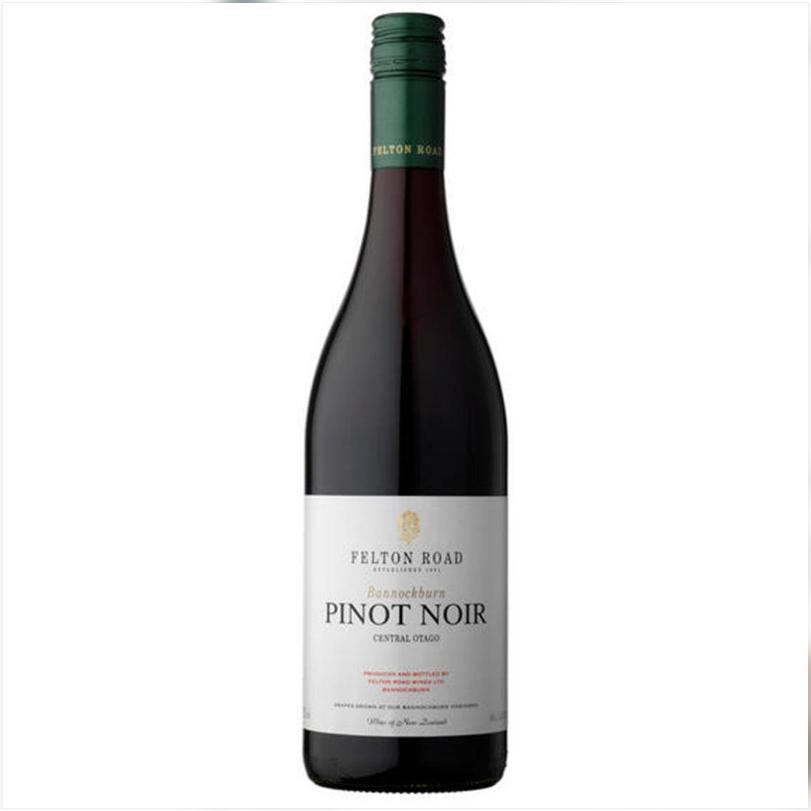
Felton Road Bannockburn Pinot Noir
Central Otago is famous for its dramatic mountain landscapes, high sunshine hours and significant day-to-night temperature variations.
Felton Road is one of New Zealand’s most celebrated Pinot Noir producers.
Five elements:
- Body: Medium
- Tannins: Medium, silky
- Acidity: High
- Alcohol: Approximately 14%
- Sweetness: Dry
Aromatics and flavours: Dark cherry, raspberry, violets, roses, sandalwood and baking spices.
Expect a combination of ripe fruit, floral aromatics and refined tannins.
4. Germany – Baden
Friedrich Becker Spätburgunder
Pinot Noir is known as Spätburgunder in Germany. Baden is one of the country’s most important red wine-producing regions.
German Pinot Noir has become increasingly respected for its elegance and precision.
Five elements:
- Body: Light to medium
- Tannins: Low to medium
- Acidity: High
- Alcohol: Approximately 12.5–13.5%
- Sweetness: Dry
Aromatics and flavours: Red cherries, wild berries, raspberry, earthy notes, tobacco and spice.
Expect a refined, fresh and often understated style.
5. Italy – Alto Adige
Franz Haas Pinot Nero
In Italy, Pinot Noir is known as Pinot Nero. Alto Adige, in northern Italy, is particularly well suited to this grape because of its cooler alpine climate and high-altitude vineyards.
Franz Haas is a respected producer of elegant Pinot Nero.
Five elements:
- Body: Medium
- Tannins: Low to medium
- Acidity: Medium-high
- Alcohol: Approximately 13–13.5%
- Sweetness: Dry
Aromatics and flavours: Maraschino cherry, raspberry, plum, cinnamon, cloves and forest-floor notes.
Its combination of freshness, fruit and gentle spice makes it an interesting alternative to Burgundy.
6. Australia – Tasmania
Tolpuddle Vineyard Pinot Noir
Tasmania has become one of Australia’s most exciting cool-climate wine regions.
Tolpuddle Vineyard, located in the Coal River Valley, produces highly regarded Pinot Noir with excellent aromatic intensity.
Five elements:
- Body: Medium
- Tannins: Medium, fine and structured
- Acidity: High
- Alcohol: Approximately 13–13.5%
- Sweetness: Dry
Aromatics and flavours: Dark cherry, strawberry, violets, baking spices and savoury notes.
Tasmanian Pinot Noir often combines the freshness of a cool climate with a little more fruit concentration.
7. Chile – Casablanca Valley
Viña Cono Sur Ocio Pinot Noir
Chile’s coastal vineyards benefit from the cooling influence of the Pacific Ocean and the Humboldt Current.
Cono Sur’s Ocio is an excellent example of premium Chilean Pinot Noir.
Five elements:
- Body: Medium
- Tannins: Medium, refined
- Acidity: Medium-high
- Alcohol: Approximately 14%
- Sweetness: Dry
Aromatics and flavours: Cherry, raspberry, red berries, tobacco and subtle spices.
It offers an attractive combination of fruit concentration, freshness and smooth texture.
8. South Africa – Hemel-en-Aarde
Hamilton Russell Vineyards Pinot Noir
The Hemel-en-Aarde Valley near Walker Bay is particularly renowned for its cool maritime climate and exceptional Pinot Noir.
Hamilton Russell is one of South Africa’s most respected premium producers.
Five elements:
- Body: Medium
- Tannins: Medium, fine but structured
- Acidity: Medium-high
- Alcohol: Approximately 13–13.5%
- Sweetness: Dry
Aromatics and flavours: Red berries, black cherry, mushrooms, earthy notes, herbs and subtle spices.
Expect a more savoury and structured expression, with excellent ageing potential.
9. Argentina – Patagonia
Bodega Chacra Barda Pinot Noir
Patagonia, in southern Argentina, is an emerging source of outstanding cool-climate Pinot Noir.
Bodega Chacra has gained international recognition for its distinctive expressions of the grape.
Five elements:
- Body: Medium
- Tannins: Medium, fine
- Acidity: High
- Alcohol: Approximately 12%
- Sweetness: Dry
Aromatics and flavours: Red cherry, strawberry, raspberry, herbs, earth and subtle mineral notes.
Its freshness and relatively restrained alcohol make it an interesting contrast to richer New World styles.
10. Canada – Okanagan Valley
Poplar Grove Pinot Noir
The Okanagan Valley in British Columbia has a growing reputation for quality cool-climate wines.
Its long summer days and cool nights help Pinot Noir develop flavour while retaining acidity.
Five elements:
- Body: Light to medium
- Tannins: Low to medium
- Acidity: Medium-high to high
- Alcohol: Approximately 13–13.5%
- Sweetness: Dry
Aromatics and flavours: Cranberry, raspberry, cherry, floral notes, earthy spice and subtle herbs.
Canadian Pinot Noir offers an interesting combination of freshness, delicate fruit and savoury complexity.
Final Thoughts
Pinot Noir is much more than just another red grape variety. It represents elegance, precision and the fascinating relationship between a grape and its environment.
From the historic vineyards of Burgundy to the dramatic landscapes of Central Otago, each region offers a different interpretation of this extraordinary grape.
Perhaps that is the true beauty of Pinot Noir: it doesn’t need to be powerful or heavily structured to be memorable.
Sometimes, elegance speaks louder than power.
At Wine Savoury, we believe wine appreciation is about exploration and discovery. And few grapes offer a more fascinating journey than Pinot Noir.
Ten countries. Ten expressions. One extraordinary grape. 🍷
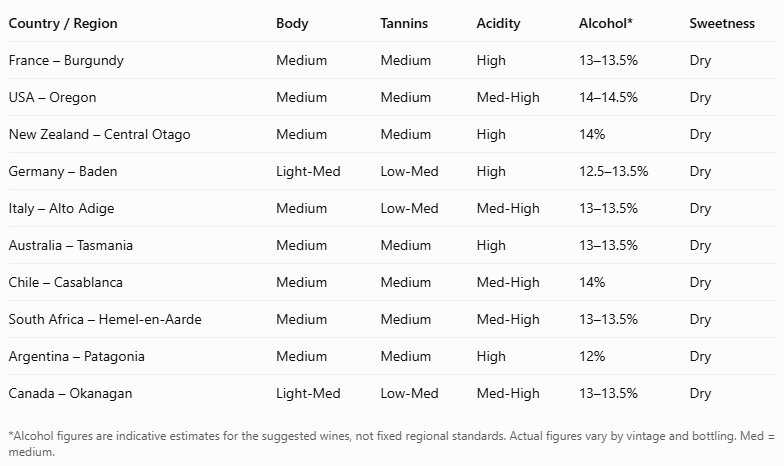
Comparison Table: The 10 Pinot Noirs
The following table gives your readers a quick reference when comparing the different regional expressions.
My Recommended Top 3 for Pinot Noir Beginners
If I were organising your Wine Savoury Pinot Noir tasting session, I would introduce these three first.
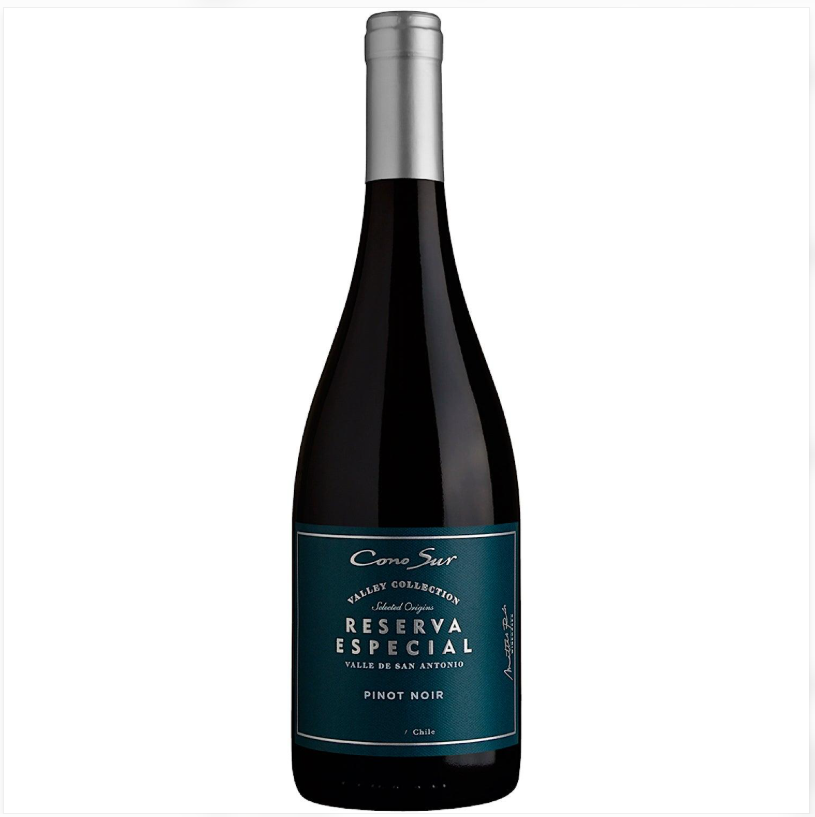
1. Chile – Cono Sur Reserva Especial Pinot Noir
Reserva Especial Pinot Noir [750ml]
Best starting point:
- Fresh cherry and raspberry flavours.
- Smooth, approachable texture.
- Good balance between fruit and acidity.
Why: An accessible introduction to Pinot Noir without overwhelming a beginner.
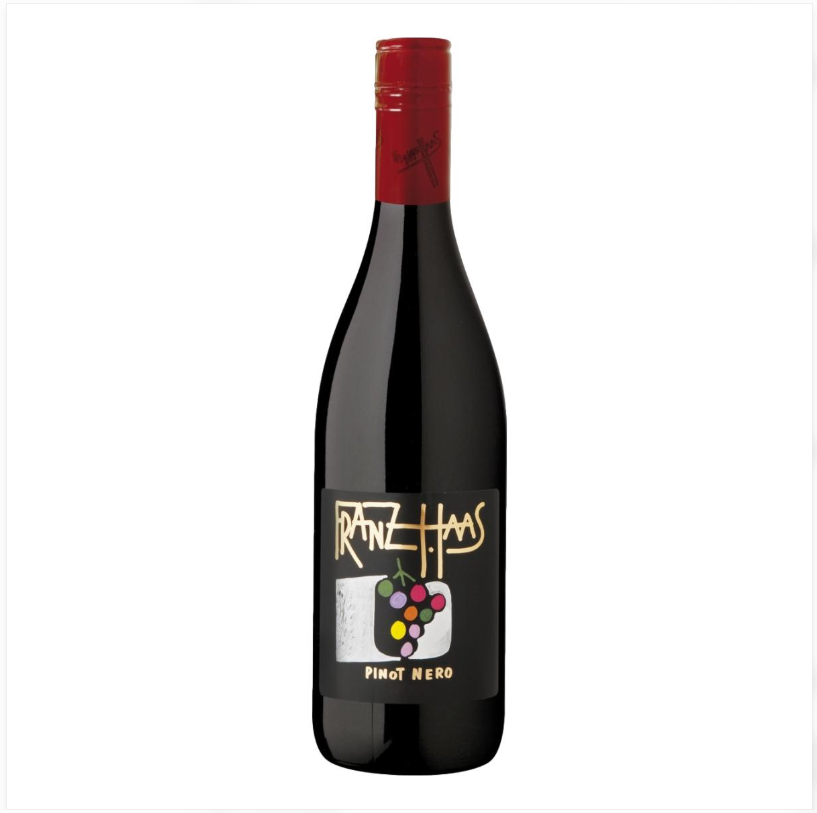
2. Italy – Franz Haas Pinot Nero
Franz Haas Pinot Nero 2022 | 8Wines Italia
Best for aromatic discovery:
- Cherry and raspberry aromas.
- Subtle cinnamon and clove.
- Fresh, elegant and lively.
Why: Demonstrates how Pinot Noir can be aromatic, delicate and expressive without relying on heavy tannins.
3. New Zealand – Felton Road Bannockburn Pinot Noir
Felton Road Bannockburn Pinot Noir 2022 – Pasanella & Son
Best premium introduction:
- Dark cherry and floral aromas.
- Silky tannins.
- More depth, concentration and spice.
Why: Introduces beginners to a more sophisticated expression of Pinot Noir while retaining approachability.